
Custom Silicone Rubber Heater: Design Options and Specifications
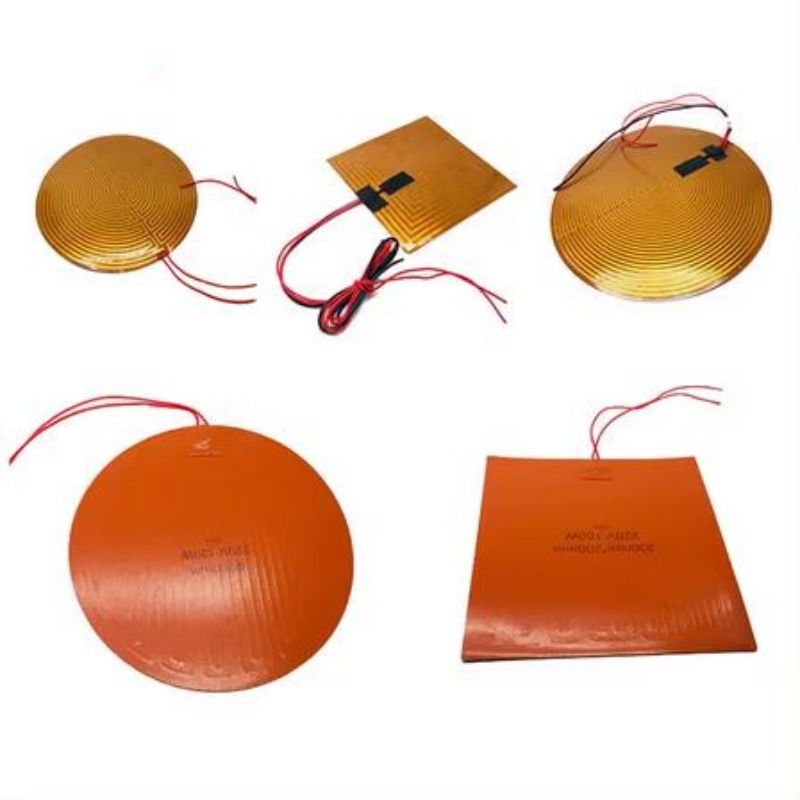
A custom silicone rubber heater provides flexible, lightweight heating for equipment, tanks, pipes, enclosures, and other industrial applications. By customizing the size, voltage, wattage, shape, lead wires, and mounting method, you can match the heater to your equipment and operating conditions.
EaseWise supports OEM silicone rubber heater solutions based on your application requirements and technical drawings. This guide explains the main design options, important specifications, and information to prepare before requesting a quotation.
What Is a Custom Silicone Rubber Heater?
A silicone rubber heater is a flexible heating element made by incorporating a resistance heating circuit between layers of silicone rubber insulation. Its flexible construction allows it to fit suitable flat or curved surfaces while providing electrical insulation when properly designed and installed.
A custom silicone rubber heater can be designed around specific dimensions, operating temperatures, power requirements, mounting conditions, and cable configurations. Two common heating circuit constructions are wire-wound resistance wire and etched foil.
Custom Silicone Rubber Heater Design Options
1. Wire-Wound Silicone Heater
A wire-wound silicone heater uses resistance wire supported by an insulating structure and laminated within silicone rubber. It is a practical option for many general industrial heating applications where cost, flexibility, and custom dimensions are important.
- Custom shapes and sizes, subject to design feasibility.
- Cost-effective for many general heating requirements.
- Optional adhesive backing or alternative mounting methods.
- Optional lead-wire configurations and temperature protection components.
Learn more about our Wire-Wound Silicone Heater.
2. Etched-Foil Silicone Heater
An etched-foil silicone heater uses a patterned metal foil heating circuit laminated within silicone rubber. The circuit layout can be designed for the required heating area, making this construction worth considering when a thin profile or a specific heating pattern is important.
- Thin, flexible construction.
- Heating circuit layout designed for the application.
- Suitable for equipment with limited installation space.
- Custom outlines, holes, and cutouts may be possible after design review.
Explore our Etched-Foil Silicone Heater for more information.
Key Specifications for a Custom Silicone Rubber Heater
Before production, the heater should be designed around the actual operating conditions rather than size alone. The following specifications help determine the appropriate construction and configuration.
| Specification | Information to Confirm |
|---|---|
| Dimensions and shape | Length, width, outline, curved surfaces, holes, cutouts, and mounting points. |
| Voltage | Required AC or DC supply voltage. |
| Wattage | Total heating power and required warm-up performance. |
| Operating temperature | Target surface temperature, ambient temperature, and maximum allowable temperature. |
| Heating distribution | Heated area, temperature uniformity requirements, and areas that must remain unheated. |
| Mounting method | Pressure-sensitive adhesive (PSA), clamps, mechanical fasteners, or another suitable method. |
| Lead wires and terminals | Lead length, wire type, exit position, connector, and electrical connection requirements. |
| Temperature protection | Whether an NTC, PT100 sensor, thermostat, thermal fuse, or external temperature controller is required. |
| Environmental conditions | Moisture exposure, chemicals, vibration, outdoor use, and required ingress protection. |
Final dimensions, temperature limits, watt density, insulation performance, and ingress protection must be confirmed for the selected construction and application. Not every specification is available in every configuration.
How to Choose the Right Custom Silicone Rubber Heater
Match the Heating Design to Your Application
Identify the object to be heated and how heat needs to be transferred. Heating a flat panel, maintaining the temperature of a tank, and reducing condensation in an electrical enclosure may require different heater layouts and mounting methods.
Confirm Voltage, Wattage, and Temperature
Provide the available power supply, target operating temperature, and required heating time if known. The heater’s wattage and dimensions should be evaluated together to help achieve the required performance without exceeding the allowable temperature of the heater or equipment.
Select a Suitable Installation Method
Adhesive backing can simplify installation on a compatible, clean, dry surface. Mechanical clamping or another mounting method may be more appropriate depending on the surface, operating temperature, maintenance requirements, and need for removal.
Consider Temperature Control and Safety
Depending on the application, the design may require a temperature sensor, thermostat, thermal fuse, or external controller. Select protection components according to the operating conditions and the consequences of overheating.
Applications of Custom Silicone Rubber Heaters
- Industrial equipment: Maintaining temperature in machinery and process equipment.
- Tanks, pipes, and valves: Supporting temperature maintenance where the heater design and installation are suitable.
- Electrical enclosures: Helping reduce condensation and provide freeze protection when properly specified.
- Drums and containers: Heating compatible contents to support temperature maintenance and material handling.
- Packaging and 3D printing equipment: Providing heat for selected machine components and surfaces.
- Laboratory and electronic equipment: Supplying heat where the required temperature and electrical specifications can be met.
Actual suitability depends on operating temperature, material compatibility, mounting conditions, electrical design, and required safety protection.
Custom Silicone Rubber Heater vs. Standard Heater
| Factor | Standard Heater | Custom Silicone Rubber Heater |
|---|---|---|
| Dimensions | Limited to standard sizes. | Designed around specified dimensions, subject to manufacturing limits. |
| Shape and cutouts | Limited standard configurations. | Custom outlines, holes, and cutouts may be possible. |
| Electrical specifications | Available voltage and wattage combinations. | Voltage and wattage can be specified for design evaluation. |
| Installation | Uses the mounting options provided with the standard model. | Mounting, lead exits, and sensor options can be discussed during design. |
| Best suited for | Applications that fit an existing standard product. | Equipment with specific dimensional, electrical, or installation requirements. |
What to Send When Requesting a Custom Silicone Rubber Heater Quote
Providing complete specifications helps the engineering team evaluate feasibility and prepare a more accurate quotation. If available, include:
- PDF or DXF drawing showing dimensions and cutouts.
- Required voltage and wattage.
- Target operating temperature and heating application.
- Required quantity, including sample and production quantities.
- Mounting method and lead-wire requirements.
- Temperature sensor, thermostat, or environmental protection requirements.
If you do not have a complete drawing, provide the available dimensions and application details first. The final design and specifications should be reviewed and confirmed before production.
Frequently Asked Questions
Can a custom silicone rubber heater be made to a specific shape?
Yes, custom outlines and certain holes or cutouts may be possible. Feasibility depends on the heating circuit layout, dimensions, bend requirements, and manufacturing limits. Submit a drawing for review before confirming the design.
Can I choose the voltage and wattage?
Voltage and wattage can be specified as design requirements. The available combination depends on heater dimensions, the heating circuit, operating temperature, and electrical safety requirements.
Can adhesive backing be added?
Pressure-sensitive adhesive backing may be available for compatible applications. Confirm the operating temperature, surface material, cleanliness, and installation conditions to determine whether adhesive mounting is appropriate.
Can temperature sensors or thermal protection be included?
Depending on the design, options may include NTC or PT100 sensors, thermostats, and thermal fuses. Specify the sensor type, location, and control method when requesting a quotation.
Can silicone rubber heaters be used outdoors?
Outdoor use must be evaluated according to moisture exposure, UV and weather conditions, lead-wire sealing, mounting, and electrical protection. Specify the environment and required ingress protection so the design can be reviewed appropriately.
Request a Custom Silicone Rubber Heater from EaseWise
EaseWise supports custom heating solutions based on your drawings, electrical requirements, installation conditions, and application needs. Share your specifications so the appropriate heater construction and available options can be evaluated.
For a quotation, please provide your PDF or DXF drawing, voltage, wattage, and required quantity. If some details are not yet confirmed, send the information you have available.
Request a Custom Silicone Rubber Heater Quote
Amy – Sales
Email: amy-EaseWise@tzheater.com
WhatsApp: +86 188 8318 8154
Hanna – Sales
Email: Hanna-EaseWise@tzheater.com
WhatsApp: +86 173 5163 6811