
Silicone Heater Temperature Control: A Practical Guide
Silicone heater temperature control helps maintain the target temperature, improve heating consistency, and reduce overheating risks. The right setup depends on your application, required temperature, sensor type, and control accuracy.
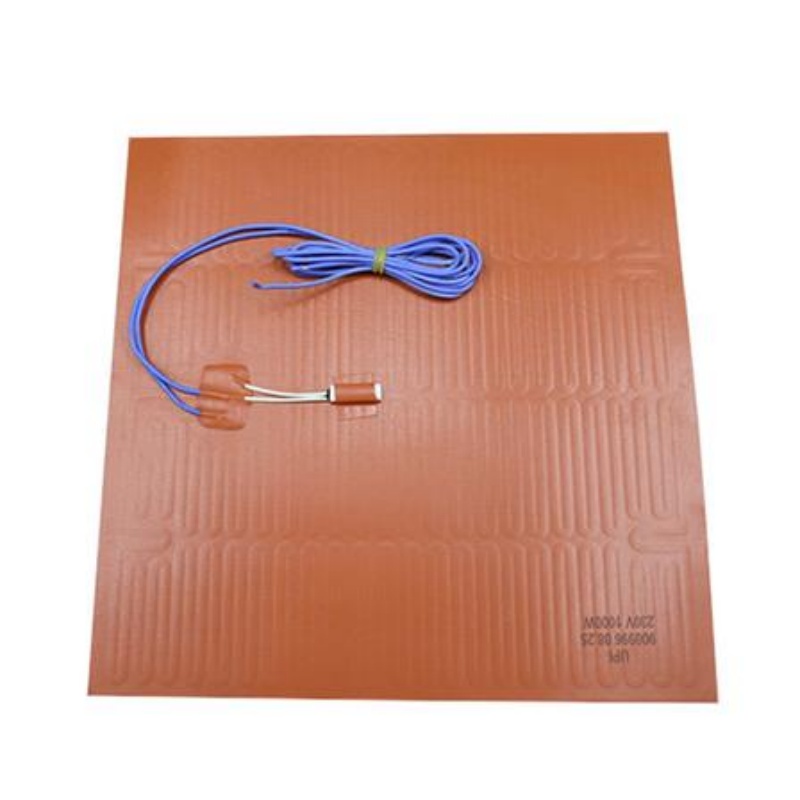
How Does Silicone Heater Temperature Control Work?
A typical temperature control system includes three components:
- Silicone heater: Generates heat.
- Temperature sensor: Measures temperature and sends feedback.
- Temperature controller: Regulates heater power to maintain the setpoint.
Sensor placement is important because the heater temperature may differ from the temperature of the component being heated.
Common Silicone Heater Temperature Control Methods
1. Thermostat Control
A thermostat switches the heater on and off around a preset temperature.
- Best for: Simple heating applications.
- Advantages: Simple operation and setup.
- Consider: Temperature fluctuates around the switching point.
2. PID Temperature Controller
A PID controller adjusts heater output according to temperature feedback.
- Best for: Applications requiring more stable temperature regulation.
- Advantages: Can reduce temperature fluctuations when correctly configured.
- Consider: Requires a compatible sensor and suitable controller settings.
Choosing a Temperature Sensor
- NTC thermistor: Suitable for applications where its temperature range and electrical characteristics meet the requirements.
- Thermocouple: Commonly used for a wide range of industrial temperature measurements.
- PT100 RTD: Often selected when measurement stability and accuracy are important.
Always check sensor compatibility with the controller, required temperature range, response time, and installation location.
How to Choose the Right Temperature Control System
Confirm these key requirements before selecting your system:
- Target temperature: Required operating range and acceptable variation.
- Voltage and wattage: Must match the heater and control equipment.
- Sensor type: NTC, thermocouple, PT100, or another compatible option.
- Sensor location: Decide whether to measure the heater or the heated component.
- Safety protection: Consider independent over-temperature protection where required.
Common Temperature Control Problems
- Temperature overshoot: Check sensor location and controller settings.
- Unstable readings: Check sensor wiring and controller compatibility.
- Slow heating: Review heater wattage, heat loss, and installation contact.
- Uneven heating: Check heater layout and contact with the heated surface.
Frequently Asked Questions
Can an NTC sensor be used with a silicone heater?
Yes, if the NTC sensor is compatible with the controller and suitable for the operating temperature and application.
Should the sensor be placed inside the heater or on the heated part?
It depends on what temperature needs to be controlled. A sensor inside the heater measures the heater temperature, while a sensor on the heated part measures the component temperature.
Does every silicone heater need a temperature controller?
Control requirements depend on the application. Where temperature regulation or overheating protection is necessary, select suitable control and protective devices for the system.
Need a Custom Silicone Heater?
EaseWise supplies custom silicone rubber heaters with options for temperature sensors and application-specific designs.
To request a quotation, please provide your drawing (PDF or DXF), voltage, wattage, target temperature, dimensions, quantity, and sensor requirements.
Amy – Sales
Email: amy-EaseWise@tzheater.com
WhatsApp: +86 188 8318 8154
Hanna – Sales
Email: Hanna-EaseWise@tzheater.com
WhatsApp: +86 173 5163 6811
Wire-Wound Silicone Heaters | Etched-Foil Silicone Heaters | Request a Quote