
Hot Runner Heater Problems: Causes and Solutions
Hot runner heater problems can cause temperature fluctuations, unstable material flow, short shots, flash, surface defects, and production downtime in injection molding. When a hot runner system does not maintain a stable temperature, the heater should be checked together with the temperature controller, wiring, installation, and molding conditions.
This guide explains common hot runner heater problems, possible causes, basic inspection points, and heater selection considerations. For product specifications and customized heater solutions, see our Hot Runner Heater product page.
Common Hot Runner Heater Problems
Hot runner heater problems can appear in different ways depending on the heater design, installation conditions, electrical specifications, and operating temperature.
- Heater does not reach the required temperature: Insufficient power, incorrect voltage, resistance problems, or poor heat transfer may prevent the system from reaching the required processing temperature.
- Uneven heating: Incorrect heater dimensions, poor contact, or an unsuitable heating configuration can create hot spots and cold areas.
- Slow heating response: An unsuitable heater design or insufficient heating capacity may increase heat-up time and reduce production efficiency.
- Heater overheating: Excessive watt density, incorrect temperature control, poor heat transfer, or incorrect heater installation can cause localized overheating.
- Premature heater failure: Repeated thermal cycling, excessive operating temperature, moisture, mechanical damage, or incorrect electrical specifications may shorten heater service life.
- Temperature fluctuation: Unstable heater output, loose connections, sensor problems, or uneven heat transfer can cause temperature changes during production.
Common Causes of Hot Runner Heater Problems
A heater problem does not always mean that the heating element itself has failed. The following factors should also be checked when troubleshooting a hot runner system.
- Incorrect heater dimensions: The heater may not match the nozzle, manifold, bushing, or other heated component correctly.
- Incorrect voltage or wattage: Electrical specifications that do not match the equipment can result in insufficient heating, overheating, or premature failure.
- Poor heater-to-component contact: Gaps between the heater and heated surface can reduce heat transfer and create uneven temperatures.
- Incorrect installation: Improper positioning, excessive mechanical stress, or damaged leads can affect heater performance.
- Temperature sensor or controller problems: A faulty sensor or temperature controller can produce unstable temperature readings even when the heater is operating normally.
- Operating conditions: Excessive temperature, frequent thermal cycling, contamination, or unsuitable process conditions can affect heater service life.
How Hot Runner Heater Problems Affect Injection Molding
Stable temperature control is important for maintaining consistent plastic flow through a hot runner system. When heating performance becomes unstable, several production problems may occur.
- Temperature fluctuation: Unstable heating can make process control more difficult and increase adjustment time.
- Material flow problems: Areas that are too cold may restrict plastic flow or cause material to solidify prematurely.
- Short shots: Insufficient heating in critical areas may prevent molten plastic from filling the mold cavity correctly.
- Flash: Temperature instability can affect material viscosity and contribute to inconsistent molding conditions.
- Surface defects: Uneven temperature distribution may contribute to weld lines, silver marks, and other molding defects.
- Production downtime: Heater failure or unstable heating may require troubleshooting, replacement, and additional machine downtime.
How to Check a Hot Runner Heater
When a hot runner system shows temperature or molding problems, check the heating system step by step before replacing the heater.
- Check the actual temperature: Compare the controller reading with the expected processing temperature and check whether the temperature remains stable.
- Check voltage and electrical connections: Verify that the heater receives the specified voltage and inspect terminals, connectors, and lead wires for damage or loose connections.
- Check heater resistance: Measure the heater resistance and compare it with the expected electrical specification to identify possible open-circuit or abnormal resistance conditions.
- Check heater dimensions and installation: Confirm that the heater fits the heated component correctly and that there are no excessive gaps affecting heat transfer.
- Check the temperature sensor: A faulty thermocouple or temperature sensor can cause incorrect temperature control and may be mistaken for a heater problem.
- Check operating conditions: Review operating temperature, heating cycles, installation conditions, and other factors that may contribute to premature heater failure.
How to Choose a Replacement Hot Runner Heater
When a heater needs to be replaced, selecting the correct dimensions and electrical specifications is important. The replacement heater should match the original installation and the operating requirements of the hot runner system.
- Installation dimensions: Match the inside diameter, outside diameter, length, heated length, and mounting dimensions where applicable.
- Voltage: Use the voltage specified for the injection molding equipment and heater circuit.
- Wattage: Select suitable power according to the heated component, required temperature, heating time, and application conditions.
- Heating zone: Confirm the required heating area and whether multiple heating zones are needed.
- Lead configuration: Check lead length, lead position, terminal type, and installation direction.
- Operating temperature: Select heater materials and construction suitable for the required working temperature.
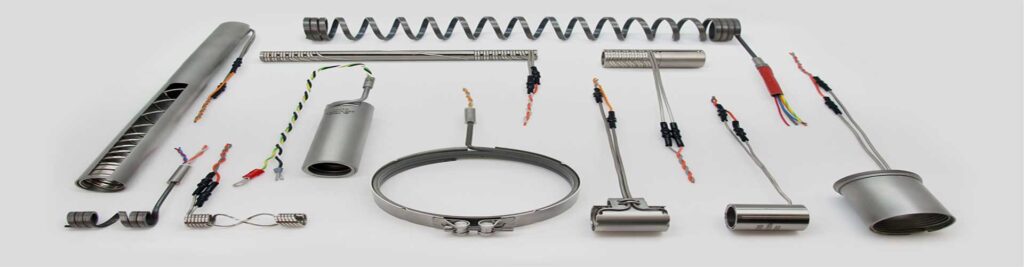
For cylindrical hot runner components, our Coil Heater solutions provide compact heating with customizable dimensions, voltage, wattage, lead configuration, and material options.
For complete heater configurations, specifications, and OEM customization options, see our Hot Runner Heater solutions.
Common Hot Runner Heater Applications
Hot runner heaters are commonly used in injection molding systems where stable localized heating is required. Typical applications include:
- Hot runner nozzles
- Hot runner manifolds
- Hot runner bushings
- Injection molding machines
- Plastic injection molding molds
- Medical component molding
- Automotive component molding
- Electronic component molding
- Plastic processing equipment
- OEM replacement applications
For product specifications and customized heating solutions, refer to the Hot Runner Heater product page linked above.
Customized Hot Runner Heater Solutions
EaseWise supplies customized hot runner heater solutions for injection molding systems and OEM replacement applications. Heater dimensions, voltage, wattage, lead configuration, heating zones, and heater structure can be customized according to equipment requirements.
For replacement projects, customers can provide the original heater, product drawing, dimensions, photographs, voltage, wattage, operating temperature, and application details. This information helps our team identify a suitable heater configuration.
- Inside diameter and outside diameter
- Heater length and heated length
- Voltage
- Wattage
- Heating zone
- Lead wire length and position
- Terminal configuration
- Mounting dimensions
- Operating temperature
- Thermocouple or sensor requirements
- Special shape and installation requirements
When Should You Replace a Hot Runner Heater?
A replacement should be considered when the heater repeatedly fails to reach the required temperature, shows abnormal resistance, develops damaged leads, produces unstable heating, or no longer provides consistent heat transfer after installation has been checked.
If the original heater is still available, providing its dimensions, electrical specifications, photographs, or technical drawing can help determine the required replacement configuration.
Request a Hot Runner Heater Quote
Need help with a hot runner heater problem or a replacement heater for an injection molding system? Send us the heater dimensions, voltage, wattage, operating temperature, application details, and original heater photo or drawing if available.
Email:
Amy-Easewise@tzheater.com
WhatsApp:
+86 188 8318 8154
Hanna – Sales
Email:
Hanna-Easewise@tzheater.com
WhatsApp:
+86 173 5163 6811
Hot runner heater troubleshooting and replacement solutions for injection molding and plastic processing applications.