
Immersion Heater for Water, Oil & Chemical Tanks
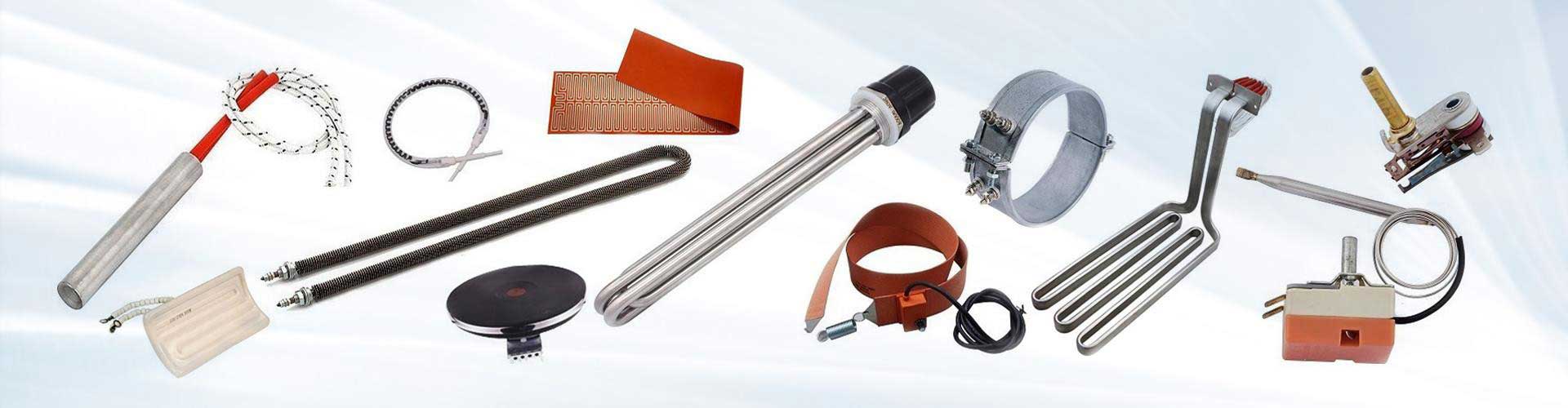
Heating a tank sounds simple until you need the right immersion heater for water tanks or other liquids. Water may take too long to heat, oil can become too thick when cold, and chemical solutions may require a completely different heater material.
That is why choosing the right heater starts with the liquid, tank size, target temperature, and heating time. The heater needs to match the application rather than simply providing more power.
Why Use an Immersion Heater?
When you need to heat a tank, there are several possible approaches. You can heat the tank from the outside, circulate the liquid through another heating system, or place the heating element directly into the liquid.
For many industrial applications, direct immersion heating is a practical option. The heating element transfers heat directly to the liquid without first having to heat the outside wall of the tank.
Common applications include:
- Water tanks
- Oil tanks
- Chemical processing tanks
- Cleaning tanks
- Industrial washing systems
- Storage tanks
- Process heating equipment
Larger tanks may also use multiple heating elements when one heater cannot provide the required heating capacity.
Water, Oil and Chemicals Need Different Heating Solutions
There is no single heater configuration that works equally well for every liquid. The liquid properties, operating temperature, tank size and installation method all affect the final heater design.
Immersion Heater for Water Tanks
Water is one of the most common applications for immersion heating. Depending on the tank volume and required temperature, a small tank may only need a relatively low-power heater, while a larger industrial tank may require several kilowatts or multiple heating elements.
Typical applications include:
- Water storage tanks
- Hot water systems
- Cleaning equipment
- Industrial washing tanks
- Process water heating
For ordinary water heating, stainless steel sheath materials such as SS304 or SS316 may be considered depending on water quality and operating conditions.
Immersion Heating for Oil Tanks
Oil behaves differently from water. Many oils become much more viscous as temperature drops, which can make pumping, mixing or processing difficult.
An immersion heater can help maintain the oil at a workable temperature throughout storage or processing.
Common applications include:
- Hydraulic oil
- Lubricating oil
- Process oil
- Fuel-related heating
- Oil storage tanks
For oil heating, both heater wattage and surface temperature are important. A heater that is too aggressive can create excessive local temperatures, while an undersized heater may take too long to warm the tank.
The goal is not simply more power. It is the right power with a suitable heater design.
Immersion Heating for Chemical Tanks
Chemical tank heating requires more attention because the liquid can react with the heater sheath or other components. Two liquids that look similar may require completely different materials.
Depending on the chemical, concentration, temperature and operating environment, materials such as titanium, PTFE-coated components, stainless steel, or other corrosion-resistant materials may be considered.
Before choosing a heater, it is important to know:
- What chemical is being heated?
- What is its concentration?
- What temperature is required?
- Is the liquid corrosive?
- Is the heater continuously immersed?
- Does the tank contain solids or deposits?
For chemical applications, heater material should be selected together with the liquid, rather than choosing a heater based only on wattage.
How Much Heating Power Do You Need?
One of the first questions customers usually ask is: “How many watts do I need?”
Unfortunately, there is no single answer. The required power depends on several factors:
- Tank volume
- Starting temperature
- Target temperature
- Required heating time
- Liquid type
- Heat loss from the tank
- Liquid circulation
Heating a 100-liter water tank from room temperature to a moderate working temperature is very different from maintaining the temperature of a large outdoor oil tank.
For this reason, heater power should be based on the actual heating requirement instead of simply selecting the highest available wattage.
If you know the tank volume, liquid, starting temperature, target temperature and desired heating time, the required heater power can be estimated more accurately.
Where Should the Heater Be Installed?
Heater position can make a noticeable difference, especially in larger tanks.
In many applications, the heater is installed toward the lower part of the tank. This allows heated liquid to move upward while cooler liquid moves toward the heating area.
If the tank has a circulation pump or agitator, the heater position can instead be selected according to the actual liquid flow.
The important point is simple: the heated section should remain properly immersed during operation.
If the liquid level can change significantly, low-level protection is also worth considering.
Common Immersion Heater Problems
A heater does not always fail because the heater itself is defective. Sometimes the real problem is the application or operating conditions.
Heater Burns Out Too Quickly
This can happen when part of the heating element is exposed above the liquid level. Make sure the heated section remains properly immersed during operation.
Heating Is Too Slow
The heater may simply be undersized for the tank volume and required heating time. Better tank insulation or improved liquid circulation may also help reduce heat loss.
Heater Surface Becomes Too Hot
This can be related to watt density, liquid movement, or the properties of the liquid. Simply increasing heater power is not always the right solution.
Corrosion Appears on the Sheath
For chemical applications, the sheath material may not be suitable for the liquid. Chemical compatibility should be checked before selecting the heater.
Temperature Is Uneven
Large tanks may need better liquid circulation or multiple heating points rather than simply increasing heater wattage.
How to Choose the Right Immersion Heater
Before ordering, try to have these details ready:
| Requirement | What to Provide |
|---|---|
| Liquid | Water, oil, chemical, etc. |
| Tank volume | Liters or gallons |
| Voltage | 120V, 240V, 380V, 480V, etc. |
| Power | Required kW if known |
| Target temperature | °C or °F |
| Heating time | How quickly the liquid should heat |
| Installation | Screw plug, flange, or other mounting |
| Sheath material | SS304, SS316, titanium, etc. |
| Control | Thermostat, sensor, or external controller |
If you are not sure about the specifications, you do not need to figure everything out before contacting us. Send us your tank size, liquid type, voltage and target temperature, and we can recommend a suitable configuration.
Immersion Heaters for Industrial Tanks
EaseWise supplies immersion heaters for water, oil and industrial liquid heating applications, with options for different voltages, power ratings, mounting methods and sheath materials.
Depending on your application, we can help configure:
- Screw Plug Immersion Heaters
- Flange Immersion Heaters
- Custom heating lengths
- Different sheath materials
- Custom voltage and wattage
- Temperature sensors and control options
If you have a specific tank application, do not worry if you do not know the exact heater specifications yet.
Tell us your liquid, tank volume, voltage, target temperature and heating time, and we can help you work out a practical heater configuration.
Contact EaseWise
Stock available. Custom sizes supported. Contact us for pricing, availability, and OEM production.