
Silicone Rubber Heater Applications for Batteries & Electronics
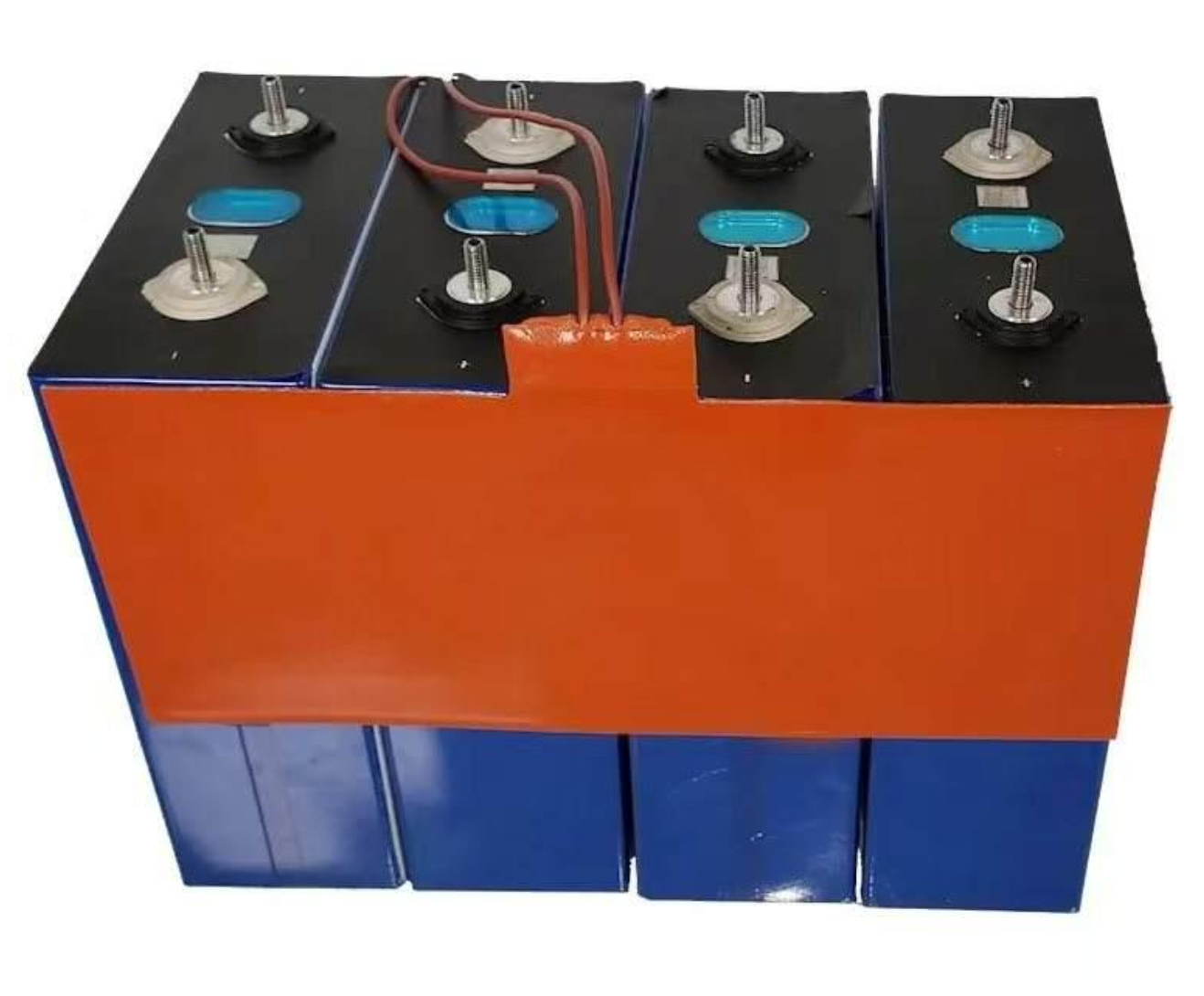
Silicone rubber heater applications include battery packs, battery modules, electronic enclosures, control cabinets, sensors, and other temperature-sensitive components. Flexible silicone rubber heaters can be customized for flat or curved surfaces where controlled heating is required within limited installation space.
For OEM buyers, the right heater depends on the application, available power supply, heating area, target temperature, mounting method, and temperature-control requirements. EaseWise supports customized silicone rubber heater sourcing based on customer drawings and project specifications.
If you are looking for a supplier for a battery or electronics project, provide the required dimensions, voltage, wattage, operating temperature, quantity, and installation details to help assess a suitable configuration.
Why Use Silicone Rubber Heaters for Batteries and Electronics?
Battery and electronic systems may require controlled heating to support low-temperature operation, maintain selected component temperatures, or reduce condensation risks in temperature-variable environments. A silicone rubber heater can be designed to fit the available surface and work with an appropriate temperature-control system.
- Flexible construction: Can be designed for flat or curved installation surfaces.
- Custom heating area: Heater dimensions and element layout can be specified for the application.
- Thin profile: Suitable for equipment where installation space is limited.
- Custom electrical specifications: Voltage and wattage can be discussed according to project requirements.
- Mounting options: Adhesive backing, mounting holes, or other attachment methods can be evaluated.
- Temperature feedback: Compatible sensor options can be considered when required by the control system.
The final design should be reviewed against the actual operating environment, heat transfer conditions, temperature limits, and electrical safety requirements.
Silicone Rubber Heater Applications for Batteries
Battery Packs and Battery Modules
Silicone rubber heaters can be designed to provide controlled heat to selected battery pack or module surfaces in low-temperature environments. Heater placement, power output, and temperature sensing should be evaluated together with the battery system’s thermal-management strategy.
Lithium-Ion Battery Systems
Some lithium-ion battery systems require preheating under specified low-temperature conditions. A flexible heater may be considered when its dimensions, power, temperature limits, and control method are suitable for the battery design.
For battery applications, heater selection should account for the battery manufacturer’s temperature limits, sensor placement, insulation, and system-level protection. A heater should not be selected by wattage alone.
Battery Cabinets and Enclosures
Battery cabinets and outdoor enclosures may experience temperature changes that contribute to condensation. A properly designed enclosure heater may help maintain suitable internal conditions, provided that heating output, temperature control, ventilation, and environmental requirements are evaluated together.
Silicone Rubber Heater Applications for Electronics
Electronic Enclosures and Control Cabinets
Outdoor electronic enclosures, control boxes, and instrumentation cabinets can be exposed to low ambient temperatures and moisture condensation. A silicone rubber heater may provide controlled heat to selected surfaces or components as part of an overall enclosure thermal-management design.
Displays and Control Panels
Thin silicone heaters can be customized for selected areas behind or around displays and control panels where localized heating is needed. Available space, surface contact, temperature limits, and nearby electronic components should be considered during design.
Sensors and Electronic Instruments
Some sensors and instruments require controlled temperatures for their intended operating conditions. A custom silicone rubber heater can provide localized heating when the application requires it and the instrument design permits its use.
Condensation Prevention
In outdoor or temperature-variable environments, condensation can affect electronic components. An enclosure heater may help reduce condensation risk by maintaining selected surfaces or internal air above the dew point under the intended operating conditions.
The required heating output depends on enclosure size, insulation, ambient humidity, temperature changes, and heat loss. A supplier should review these conditions before recommending heater wattage.
How to Select a Silicone Rubber Heater for Your Project
When sourcing a custom silicone rubber heater for batteries or electronics, prepare the following information so the supplier can assess the application.
| Specification | Information to Provide |
|---|---|
| Dimensions | Length, width, shape, active heating area, cut-outs, and mounting-hole positions. |
| Voltage | Available supply voltage, such as 12V, 24V, 48V, 110V, or 220V, as applicable to the project. |
| Wattage | Required total heating power and any known heat-up or temperature-maintenance requirements. |
| Operating temperature | Target temperature, ambient conditions, and maximum permitted temperature. |
| Watt density | Required power per unit heating area, assessed against heat transfer and temperature limits. |
| Mounting method | Adhesive backing, mechanical fastening, mounting holes, or another installation arrangement. |
| Temperature sensing | Whether a K-type thermocouple, PT100, NTC sensor, thermostat, or external controller is required. |
| Lead wires | Lead length, exit position, connection type, and routing constraints. |
| Order quantity | Sample quantity, prototype requirements, and estimated batch quantity. |
If a drawing is available, send a DXF or PDF file with the electrical and temperature requirements. A photo of the installation surface can also help clarify the mounting conditions.
Silicone Rubber Heater vs. Polyimide Film Heater
Silicone rubber heaters may be suitable when flexible construction, surface contact, and a customizable heating layout are important. Polyimide film heaters may be considered for applications requiring a particularly thin heater profile.
The appropriate option depends on the installation space, temperature requirements, power, surface geometry, and control method. Compare the actual project specifications before choosing a heater type.
Learn more about polyimide film heating for industrial applications.
Custom Silicone Rubber Heater Sourcing from EaseWise
EaseWise supports customized silicone rubber heater sourcing for battery systems, electronic equipment, industrial machinery, and other OEM applications. We coordinate with vetted manufacturing partners to review customer drawings and specifications and discuss suitable heater configurations.
- Custom heater dimensions and shapes
- Voltage and wattage specified for the project
- Mounting and lead-wire configuration options
- Temperature-sensor and control requirements
- Drawing review and specification-based quotation support
- Sample and batch-order discussions
View our custom silicone rubber heater product page to explore the product solution.
For an initial project review, provide your drawing, voltage, wattage, target temperature, dimensions, installation method, application details, and required quantity.
Request a Custom Silicone Rubber Heater Quote
Looking for a silicone rubber heater supplier for a battery or electronics application? Contact EaseWise with your technical requirements for a project review and quotation discussion.
Contact EaseWise
For a faster quotation, please include:
- DXF or PDF drawing, if available
- Required voltage and wattage
- Heater dimensions and target temperature
- Application and installation details
- Sample requirements and estimated order quantity
Amy – Sales
Email: amy-easewise@tzheater.com
WhatsApp: +86 188 8318 8154
Hanna – Sales
Email: hanna-easewise@tzheater.com
WhatsApp: +86 173 5163 6811