
Silicone Rubber Heater Applications for Batteries & Electronics
Silicone rubber heater applications include battery packs, electronic equipment, enclosures, sensors, and other temperature-sensitive components. Silicone rubber heaters provide flexible, uniform heating and can be customized for flat or curved surfaces where reliable temperature control is required in limited installation spaces.
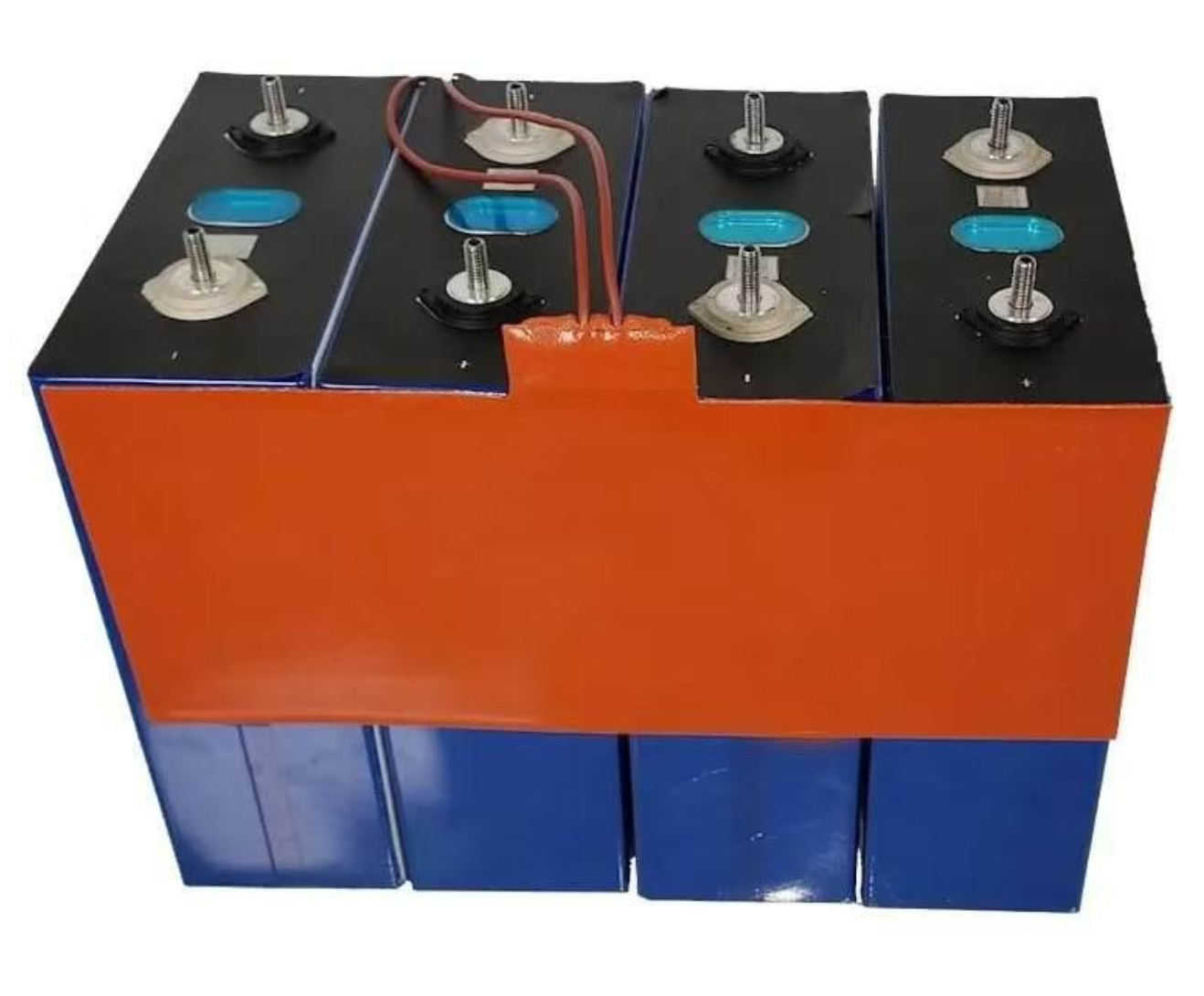
Why Use Silicone Rubber Heaters for Batteries & Electronics?
Battery and electronic systems may require controlled heating to maintain operating temperature, prevent condensation, or improve performance in cold environments. A silicone rubber heater can be customized to fit flat or curved surfaces with different voltage, wattage, dimensions, and temperature-sensing options.
- Flexible construction for flat or curved surfaces
- Uniform heat distribution across the heating area
- Thin profile for space-limited installations
- Custom dimensions and heating zones available
- Options for adhesive mounting, holes, switches, and temperature sensors
- Suitable for low-voltage and industrial heating applications
For a broader overview of heating applications, see our silicone rubber heater application guide.
Silicone Rubber Heater Applications
Battery Packs and Battery Modules
Silicone rubber heaters can be attached to battery packs or modules to provide controlled heat when operating temperatures are too low. This is useful for battery systems installed in cold environments or applications that require more stable thermal conditions.
Lithium-Ion Battery Systems
Battery heating may be required in low-temperature environments. A flexible silicone heater can be designed around the available battery surface and connected to a temperature controller or sensor for controlled heating.
Battery Enclosures
For battery cabinets and enclosed battery systems, silicone rubber heaters can provide low-level heat to help maintain a suitable internal temperature and reduce condensation caused by temperature changes.
Silicone Rubber Heater Applications for Electronics
Electronic Enclosures
Electronic control boxes, outdoor enclosures, and instrumentation cabinets may experience condensation or low ambient temperatures. A silicone rubber heater can provide controlled heat to help maintain a more stable internal environment.
Displays and Control Panels
Thin silicone heaters can be installed behind or around displays, control panels, and other electronic components where localized heating is required without taking up significant space.
Sensors and Electronic Instruments
Temperature-sensitive sensors and instruments may require controlled heating to maintain stable operating conditions. Silicone rubber heaters can be customized to provide localized heating around the required component.
Condensation Prevention
In outdoor or temperature-variable environments, moisture condensation can affect electronic components. Low-wattage silicone heaters can be used as part of a thermal management system to help maintain the enclosure above the condensation point.
Key Selection Considerations
Choosing the correct silicone rubber heater depends on the application, installation space, required temperature, and available power supply. Important specifications include:
- Voltage: Select a voltage suitable for the available power supply, such as 12V, 24V, 48V, 110V, or 220V.
- Wattage: Select the required heating output according to the heated surface, ambient conditions, and target temperature.
- Watt density: Match the watt density to the required heating rate and temperature maintenance requirements.
- Dimensions: Heater length, width, shape, and heating area should match the installation surface.
- Temperature: Define the required operating and maximum temperature before selecting the heater construction.
- Mounting: Adhesive backing, mounting holes, or other fixing methods can be selected according to the application.
- Temperature sensing: K-type thermocouples, PT100, NTC sensors, switches, or other control options can be integrated when required.
For applications where precise temperature control is important, sensor integration can be specified together with the heater. This allows the heating system to work with an external temperature controller or other control equipment.
Silicone Rubber Heater vs. Other Flexible Heaters
Silicone rubber heaters are suitable when flexibility, surface contact, and durable industrial construction are important. For applications where an extremely thin profile and fast thermal response are required, a polyimide film heater may also be considered.
The appropriate heater depends on the available installation space, target temperature, power requirements, surface geometry, and control method.
Custom Silicone Rubber Heater Solutions
EaseWise supplies customizable silicone rubber heating pads for battery, electronics, industrial equipment, medical equipment, and other temperature-control applications.
Heater dimensions, voltage, wattage, shape, mounting method, and temperature-sensing options can be specified according to your application. Our team can review your drawing or application requirements and recommend a suitable configuration.
Get a Quote
Need a silicone rubber heater for a battery or electronics application? Send EaseWise your required dimensions, voltage, wattage, target temperature, mounting method, and quantity.
Amy – Sales
Email: Amy-Easewise@tzheater.com
WhatsApp: +86 188 8318 8154
Hanna – Sales
Email: Hanna-Easewise@tzheater.com
WhatsApp: +86 173 5163 6811