
High-Temperature Cartridge Heaters: Selection & Applications
High-temperature cartridge heater selection is important for industrial equipment requiring reliable and controlled heating. Choosing the right heater involves evaluating operating temperature, watt density, sheath material, dimensions, and installation conditions. This guide explains the key selection factors and common industrial applications.
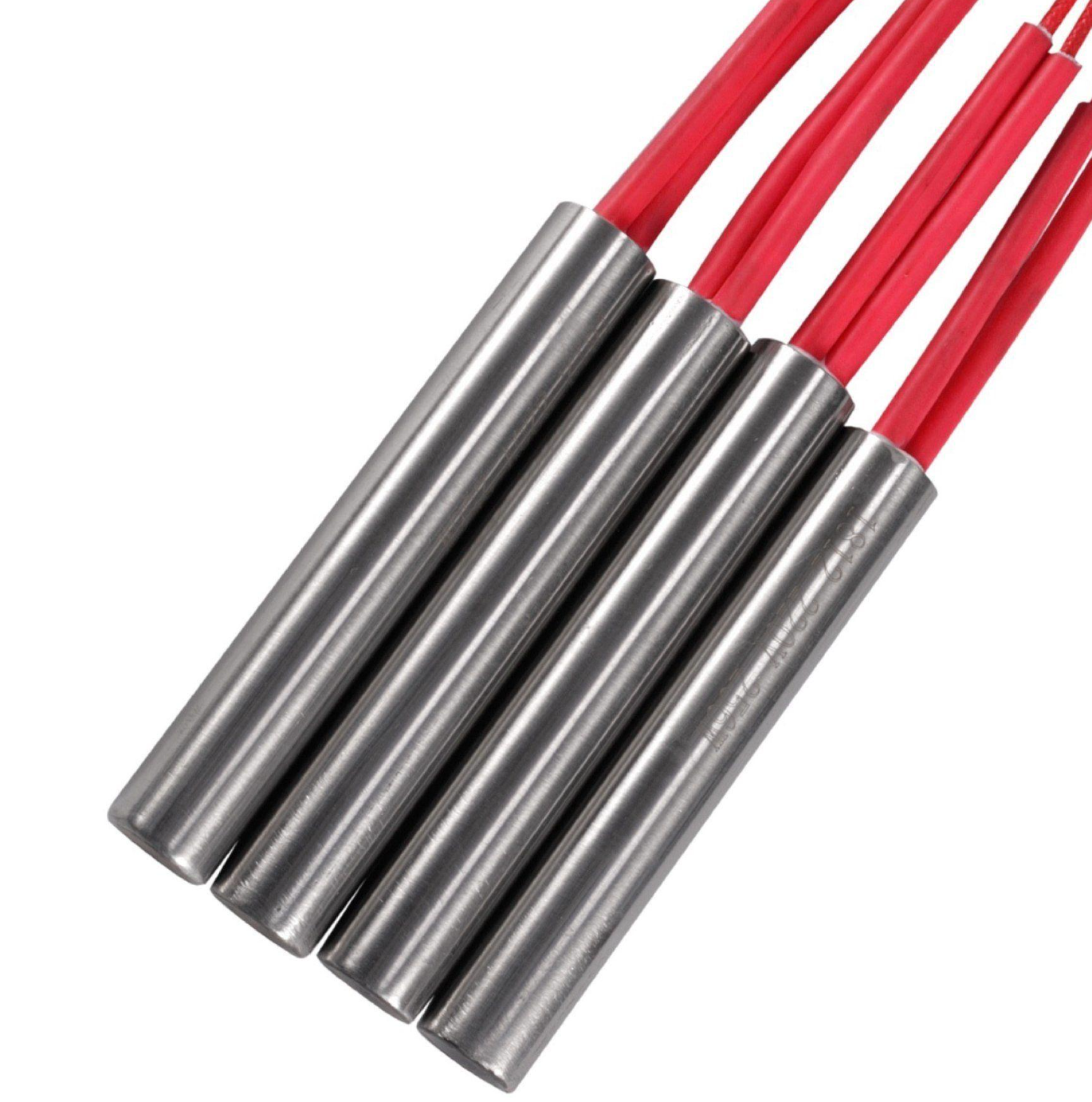
1. What Is a High-Temperature Cartridge Heater?
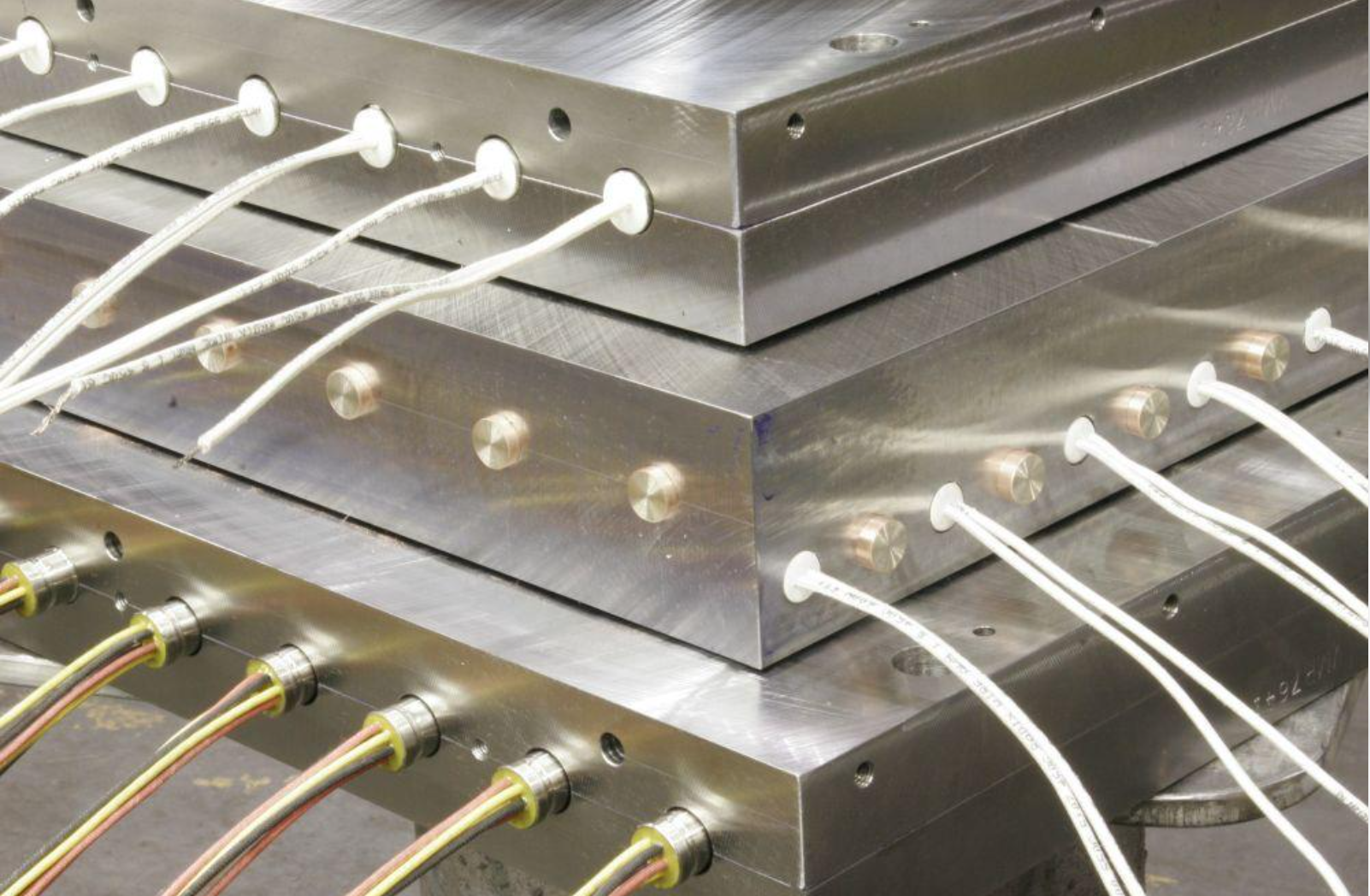
A high-temperature cartridge heater is a cylindrical electric heating element installed inside a drilled hole in a metal component. It generates heat through an internal resistance wire and transfers that heat to the surrounding material.
Depending on the application, cartridge heaters can be customized in:
- Diameter and overall length
- Voltage and wattage
- Watt density
- Sheath material
- Lead wire and terminal configuration
2. How to Select a High-Temperature Cartridge Heater
2.1 Operating Temperature
High-temperature cartridge heater selection starts with the required operating temperature. Consider the normal working temperature, maximum temperature, and surrounding environment. The heater design must be suitable for actual operating conditions.
2.2 Watt Density and Heating Power
Watt density determines how much electrical power is applied per unit of heated surface area. Higher watt density can provide faster heating, but excessive values may cause localized overheating and shorten heater service life.
Watt Density (W/cm²) = Power (W) ÷ Heated Surface Area (cm²)
The appropriate watt density depends on the heated material, installation fit, heat dissipation, and required heating speed.
2.3 Sheath Material
Sheath material affects corrosion resistance, mechanical strength, and operating suitability.
- Stainless Steel 304: Commonly used for general industrial heating applications.
- Stainless Steel 316: Offers improved resistance to many corrosive environments.
- Special Alloys: May be considered for specific operating conditions.
2.4 Dimensions and Installation
Correct heater dimensions and installation clearance are essential for efficient heat transfer. Confirm the diameter, total length, heated section, installation depth, and lead wire direction before ordering.
2.5 Voltage and Power
Choose the rated voltage and wattage according to the equipment’s electrical system and heating requirements. Common industrial options include 110V, 220V, 230V, and 380V, subject to the customized design.
3. High-Temperature Cartridge Heater Applications
Cartridge heaters are widely used in industrial equipment requiring localized and controlled heating.
- Plastic Processing: Injection molding machines, extrusion equipment, and hot runner systems.
- Packaging Equipment: Heat sealing bars, heated plates, and bonding equipment.
- Mold and Die Heating: Metal molds, tooling blocks, and precision heating components.
- Laboratory Equipment: Testing instruments, heated fixtures, and specialized machinery.
4. Common Cartridge Heater Selection Mistakes
Incorrect specifications can reduce heating efficiency and shorten service life. Avoid these common mistakes:
- Selecting excessive watt density without considering heat dissipation.
- Ignoring the clearance between the heater and mounting hole.
- Choosing unsuitable sheath materials for the operating environment.
- Overlooking heated section length and temperature distribution.
- Using lead wires that cannot withstand the surrounding temperature.
5. Custom High-Temperature Cartridge Heater Solutions
When standard specifications do not meet equipment requirements, customized cartridge heaters can provide a more suitable solution.
EaseWise supports OEM customization through qualified manufacturing partners. Available specifications can include heater dimensions, voltage, wattage, sheath material, watt density, and terminal configuration.
Explore our Cartridge Heater Products and Custom Cartridge Heater OEM Solutions.
6. Frequently Asked Questions
What temperature can a cartridge heater reach?
The achievable temperature depends on the internal construction, sheath material, watt density, installation, and operating environment. Confirm the required temperature with the manufacturer.
Does higher watt density mean better heating performance?
Not necessarily. Higher watt density can increase heating speed, but excessive watt density may cause overheating and reduce heater life.
Can cartridge heaters be customized?
Yes. Diameter, length, voltage, wattage, sheath material, lead wires, and terminal configurations can be customized according to application requirements.
7. Request a Custom Cartridge Heater Quote
Looking for a reliable cartridge heater supplier for your industrial equipment? EaseWise can help review your technical requirements and discuss suitable heating solutions.
Send us your PDF or DXF drawing together with voltage, wattage, and required quantity. Our sales team typically responds within 12 hours.
Contact EaseWise Sales:
- Amy
Email: amy-EaseWise@tzheater.com
WhatsApp: +86 188 8318 8154 - Hanna
Email: Hanna-EaseWise@tzheater.com
WhatsApp: +86 173 5163 6811
EaseWise – Your Partner for Customized Industrial Heating Solutions.