
Silicone Rubber Heater Troubleshooting Guide
Silicone rubber heater problems can affect heating performance, temperature consistency and equipment operation. Common issues include no heating, slow heating, uneven temperatures and overheating. This guide explains how to identify these problems, understand their possible causes and take appropriate troubleshooting steps.
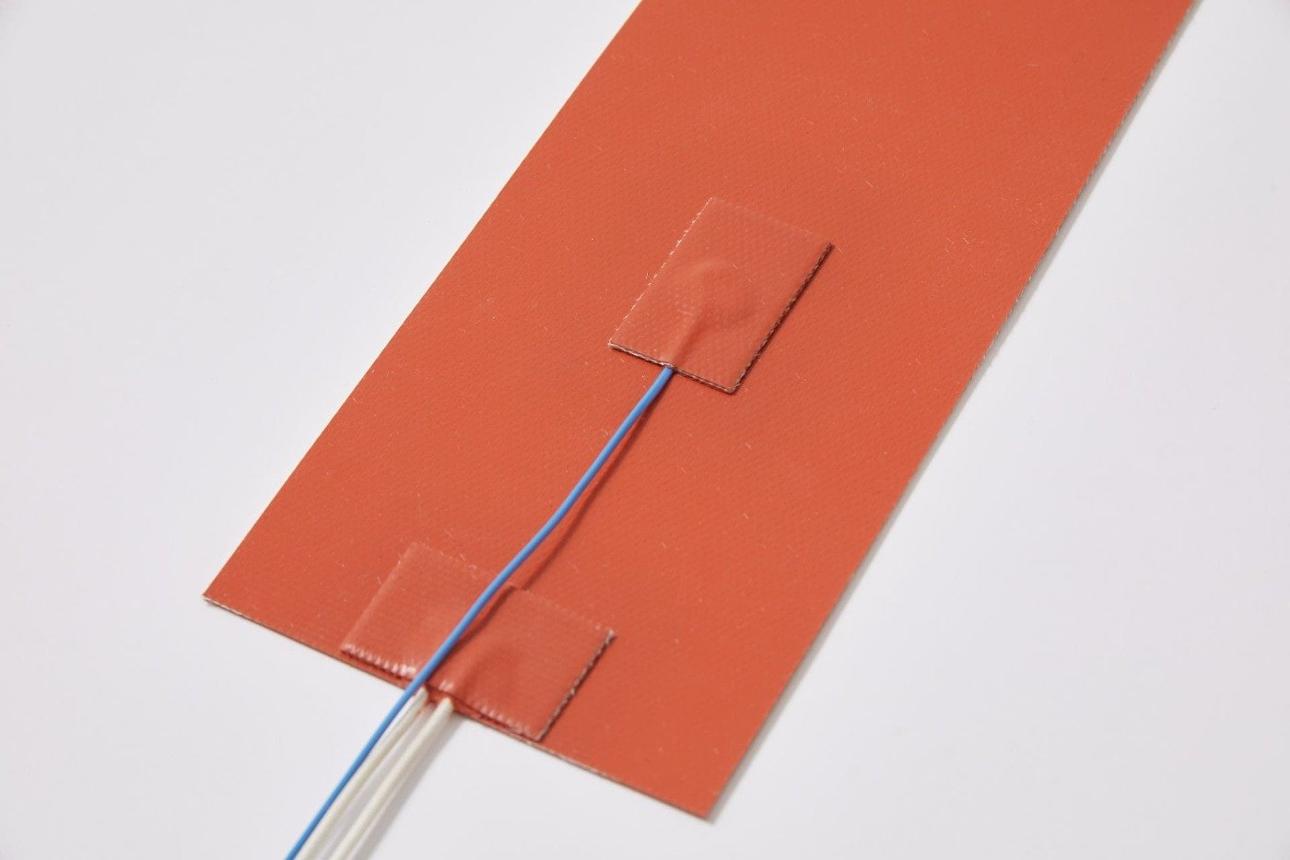
1. Common Silicone Rubber Heater Problems
No Heating
If the silicone rubber heater does not generate heat, check the power supply, wiring connections, thermostat and electrical resistance. A damaged heating element or loose connection may prevent normal operation.
Slow Heating
Slow heating may result from insufficient power, incorrect voltage, poor thermal contact or an unsuitable heater design. Check whether the heater specifications match the equipment requirements.
Uneven Heating or Hot Spots
Uneven temperatures can be caused by poor surface contact, incorrect installation, uneven heat distribution or localized damage. Make sure the heater is properly attached to the surface.
Overheating
Overheating may occur when temperature controls fail, the heater operates without sufficient heat dissipation or the selected watt density is too high for the application. Check the temperature controller and sensor.
2. How to Diagnose Silicone Rubber Heater Problems
Use the following checklist to identify common issues before replacing the heater.
| Problem | Possible Cause | Recommended Check |
|---|---|---|
| No heating | Power failure, broken wire or damaged element | Check voltage, wiring and resistance |
| Slow heating | Low power or poor thermal contact | Verify power rating and installation |
| Uneven heating | Poor contact or uneven heat distribution | Inspect the mounting surface |
| Overheating | Control failure or excessive watt density | Check the thermostat and temperature sensor |
Safety note: Disconnect the power supply before inspecting wiring or electrical connections. Electrical resistance and insulation tests should be performed by qualified personnel using suitable equipment.
3. Common Causes of Silicone Rubber Heater Problems
- Incorrect voltage: The supply voltage does not match the heater rating.
- Excessive watt density: The heating power is unsuitable for the application or mounting surface.
- Poor installation: Insufficient contact between the heater and the heated surface can reduce heat transfer.
- Temperature control failure: A faulty thermostat or sensor may cause unstable temperatures.
- Mechanical damage: Repeated bending, pulling or improper handling may damage the heater structure.
4. When Should You Replace a Silicone Rubber Heater?
Replacement may be necessary if the heater has visible cracks, damaged insulation, exposed heating elements, persistent hot spots or abnormal electrical resistance. If the heater repeatedly trips electrical protection devices, stop using it and arrange a professional inspection.
Before selecting a replacement, confirm the original heater’s dimensions, voltage, wattage, operating temperature and mounting method.
5. Custom Silicone Rubber Heater Solutions
If existing heaters frequently experience heating problems, the heater design and specifications may need to be reviewed. A properly selected silicone rubber heater can be customized according to the equipment’s shape, heating area and operating requirements.
Customization options include:
- Custom dimensions and shapes
- Voltage and wattage requirements
- Thermostats and temperature sensors
- Different lead wire and connection options
- Adhesive backing or mechanical mounting options
6. Frequently Asked Questions
Why is my silicone rubber heater not heating?
Possible causes include power supply problems, loose wiring, damaged heating elements or incorrect electrical connections. Check the power supply and heater resistance before replacing the unit.
Why does my silicone rubber heater have uneven temperatures?
Uneven heating may result from poor surface contact, unsuitable watt density or incorrect installation. Check the mounting surface and heater specifications.
Can a damaged silicone rubber heater be repaired?
Repair depends on the type and extent of damage. Heaters with damaged insulation or exposed heating elements should not continue operating. Replacement is generally the safer option.
How can I extend the service life of a silicone rubber heater?
Use the correct voltage and wattage, maintain proper surface contact, avoid excessive bending and use suitable temperature controls.
Request a Custom Silicone Rubber Heater
EaseWise supplies customized industrial heating solutions for different equipment and applications. If you are experiencing silicone rubber heater problems or need a replacement heater, contact our team with your technical requirements.
To help us evaluate your application, please provide:
- Heater dimensions or a technical drawing (PDF/DXF)
- Required voltage and wattage
- Operating temperature
- Required quantity
Contact EaseWise for technical support and a quotation. We usually respond within 12 hours.
Amy – Sales
Email: amy-EaseWise@tzheater.com
WhatsApp: +86 188 8318 8154
Hanna – Sales
Email: Hanna-EaseWise@tzheater.com
WhatsApp: +86 173 5163 6811