
Cartridge Heater Temperature Range & Selection
The cartridge heater temperature range is an important factor when selecting a heating element for industrial equipment. The actual operating temperature depends on the heater’s sheath material, watt density, dimensions, installation conditions and temperature control system. Understanding these factors helps you select a suitable cartridge heater and improve heating performance and service life.
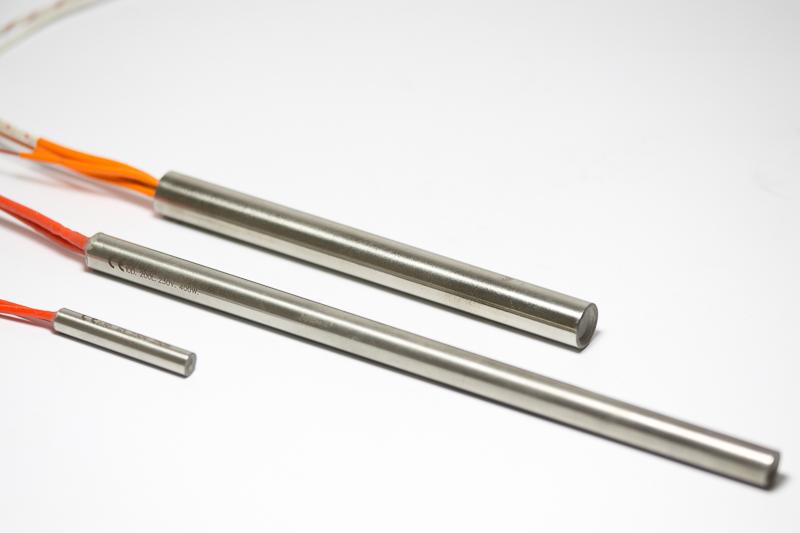
1. What Is the Cartridge Heater Temperature Range?
The cartridge heater temperature range refers to the temperatures at which a cartridge heater can operate under specified conditions. However, it is important to distinguish between three different temperatures:
- Heating element temperature: The internal temperature of the resistance wire during operation.
- Sheath temperature: The temperature measured on the outside surface of the heater.
- Workpiece temperature: The temperature of the mold, metal block or other material being heated.
These temperatures are not the same. The internal heating element may operate at a higher temperature than the outer sheath, while the workpiece temperature depends on heat transfer and the operating environment.
Therefore, the maximum operating temperature should always be confirmed according to the heater design and actual application rather than relying on a single temperature value.
2. Typical Cartridge Heater Operating Temperature
Cartridge heaters are used in applications ranging from moderate industrial heating to high-temperature mold and process heating. Their usable temperature range varies according to construction, materials and operating conditions.
When evaluating a cartridge heater’s temperature capability, consider the following:
- Sheath material: Stainless steel grades and other sheath materials have different temperature and corrosion resistance properties.
- Internal insulation: The insulation material and manufacturing process affect electrical insulation and heat transfer.
- Watt density: Higher watt density can increase the sheath temperature and thermal stress.
- Installation conditions: Proper contact between the heater and its mounting hole helps transfer heat efficiently.
- Temperature control: A suitable controller and sensor help prevent excessive operating temperatures.
For high-temperature applications, confirm the maximum allowable sheath temperature and operating conditions with the heater manufacturer before installation.
3. Factors Affecting Cartridge Heater Temperature Range
3.1 Sheath Material
The sheath protects the internal heating element and provides a path for heat transfer. Stainless steel is commonly used for industrial cartridge heaters. The appropriate material depends on operating temperature, the surrounding environment and corrosion requirements.
For example, stainless steel 304 and 316 may be considered for different industrial environments. Material selection should account for both temperature and chemical exposure.
3.2 Watt Density
Watt density describes the heating power applied per unit of the heater’s surface area. It is commonly expressed in W/cm².
A higher watt density can produce faster heating, but it also increases the thermal load on the heater. If watt density is too high for the application, the heater may overheat or experience a shorter service life.
Select watt density according to the material being heated, required heating speed, installation fit and operating temperature.
3.3 Heater Diameter and Length
Cartridge heater dimensions affect surface area, heat distribution and installation compatibility. The diameter should match the mounting hole, while the heated length should cover the required heating area.
An incorrect fit may reduce heat transfer and create localized overheating. Accurate dimensions are important when selecting or replacing a cartridge heater.
3.4 Installation and Thermal Contact
Proper installation allows heat to transfer from the heater sheath to the surrounding material. An oversized mounting hole or poor contact can increase the sheath temperature while reducing heating efficiency.
Make sure the mounting hole, heater diameter and insertion depth are suitable for the application.
3.5 Temperature Control
A temperature controller, thermocouple or other suitable sensor can help maintain stable operating conditions. The sensor position is important because the measured temperature may differ from the heater sheath temperature.
Appropriate temperature control and over-temperature protection help reduce the risk of overheating.
4. How to Select the Right Cartridge Heater Temperature Range
Choosing the correct cartridge heater requires more than checking the maximum temperature rating. Consider the following selection steps:
- Identify the target temperature: Determine the required temperature of the workpiece or process.
- Confirm the operating environment: Consider the material being heated, ambient conditions and possible chemical exposure.
- Select the sheath material: Choose a material suitable for the temperature and working environment.
- Calculate the required wattage: Consider the material mass, heating time, heat loss and desired temperature.
- Determine watt density: Select a suitable power density based on the application and installation conditions.
- Confirm dimensions and voltage: Check heater diameter, length, available space and power supply.
- Choose temperature control: Select a suitable sensor and controller to maintain the required temperature.
For application-specific requirements, you can review our industrial cartridge heater solutions or discuss a custom design with our team.
5. Common Cartridge Heater Temperature Problems
Slow Heating
Slow heating may result from insufficient wattage, poor thermal contact, an oversized mounting hole or excessive heat loss. Check the heater specifications and installation conditions.
Overheating
Overheating may be caused by excessive watt density, incorrect sensor placement, controller failure or insufficient heat transfer. Check the control system and confirm that the heater is suitable for the application.
Uneven Temperature
Uneven heating can occur when the heater length does not match the heating area or when the installation fit is inconsistent. Review the heater dimensions and mounting conditions.
Premature Heater Failure
Repeated overheating, mechanical damage, moisture penetration or unsuitable operating conditions can contribute to early heater failure. Correct material selection and proper installation help improve service life.
6. Custom Cartridge Heater Temperature and Selection Solutions
Standard cartridge heaters may not meet every industrial heating requirement. Custom designs can be developed according to the equipment dimensions, target temperature and operating conditions.
EaseWise supports customized cartridge heater requirements, including:
- Custom diameter and heating length
- Voltage and wattage specifications
- Sheath material selection
- Different lead wire and terminal configurations
- Thermocouple and temperature sensor options
- Watt density and heating performance requirements
Visit our custom cartridge heater OEM page to learn more about available customization options.
7. Frequently Asked Questions About Cartridge Heater Temperature Range
What is the maximum temperature of a cartridge heater?
There is no single maximum temperature that applies to every cartridge heater. The allowable operating temperature depends on the sheath material, internal construction, watt density, installation and operating conditions. Confirm the rated temperature with the manufacturer.
Does higher watt density mean a higher operating temperature?
Not necessarily. Higher watt density increases the heat generated per unit of surface area, but the actual operating temperature also depends on heat transfer, installation fit and temperature control.
Can a cartridge heater operate continuously at its maximum rated temperature?
Not always. The maximum allowable temperature may depend on specific test conditions and heater construction. Continuous operation should follow the manufacturer’s rated specifications and recommended operating conditions.
How do I choose a cartridge heater for high-temperature applications?
Consider the target workpiece temperature, sheath material, watt density, heater dimensions, installation fit and temperature control system. For demanding applications, consult the manufacturer with your technical requirements.
Request a Custom Cartridge Heater
Choosing the correct cartridge heater temperature range is essential for reliable industrial heating. EaseWise provides customized heating solutions based on your application, dimensions and operating requirements.
To help us evaluate your project, please provide:
- Technical drawing in PDF or DXF format
- Required voltage and wattage
- Target operating temperature
- Heater dimensions and installation details
- Required quantity
Contact EaseWise for technical support and a quotation. We usually respond within 12 hours.
Amy – Sales
Email: amy-EaseWise@tzheater.com
WhatsApp: +86 188 8318 8154
Hanna – Sales
Email: Hanna-EaseWise@tzheater.com
WhatsApp: +86 173 5163 6811