
Silicone Rubber Heater Temperature Range & Limits
The silicone rubber heater temperature range is an important factor when selecting a flexible heating solution for industrial equipment, tanks, pipes, and other applications. Understanding continuous operating temperatures, short-term temperature limits, and installation conditions helps ensure safe and reliable heating performance.
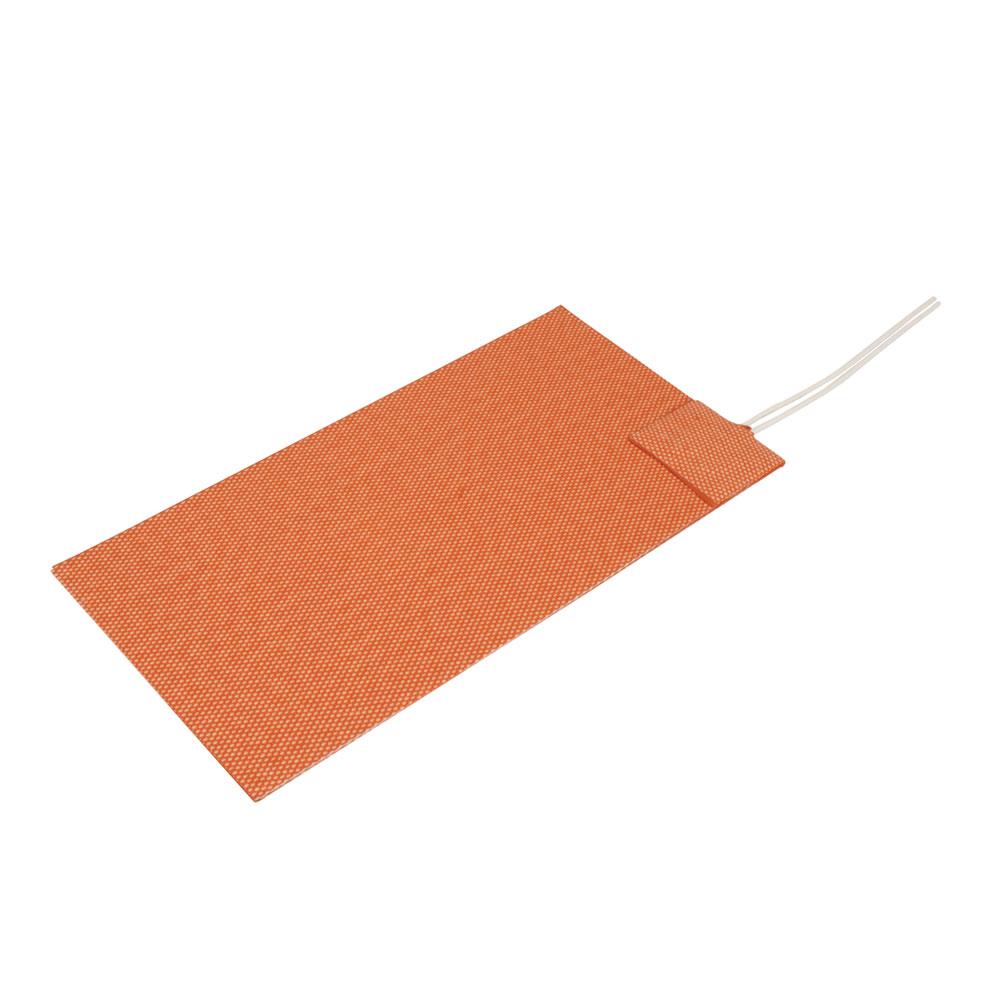
What Is the Silicone Rubber Heater Temperature Range?
The silicone rubber heater temperature range refers to the temperatures at which a flexible silicone heater can operate safely and reliably. It generally includes the minimum operating temperature, continuous working temperature, and maximum short-term temperature.
These limits depend on the silicone rubber material, heating element, insulation structure, adhesive backing, and overall heater design. The temperature rating of the heater should not be confused with the temperature of the object being heated.
Typical Silicone Rubber Heater Operating Temperature
Many standard silicone rubber heaters are designed for continuous operation at temperatures up to approximately 200°C. Some specially designed models may support higher temperatures for short periods, but the actual limit must be confirmed with the manufacturer’s specifications.
| Temperature Parameter | Typical Reference | Important Notes |
|---|---|---|
| Minimum operating temperature | Approximately -50°C to -60°C | Depends on silicone material and construction. |
| Continuous operating temperature | Up to approximately 200°C | Confirm the rated temperature for the selected model. |
| Short-term temperature | May reach approximately 230–260°C for some designs | Not a universal rating; requires manufacturer confirmation. |
These values are general reference ranges rather than guaranteed specifications for every silicone rubber heater. Always check the product datasheet before selecting a heater for high-temperature applications.
Factors Affecting Silicone Rubber Heater Temperature Limits
1. Silicone Rubber Material
The quality and formulation of the silicone rubber affect its heat resistance, flexibility, and long-term stability. The material must be suitable for the required operating temperature and working environment.
2. Heating Element Design
Silicone rubber heaters commonly use etched foil or resistance wire heating elements. The heating element design, power distribution, and insulation structure influence temperature uniformity and operating performance.
3. Watt Density
Watt density describes the heating power per unit surface area. Excessively high watt density can cause localized overheating, especially when the heater is not properly attached to the heated surface.
4. Installation and Surface Contact
Good contact between the heater and the target surface helps transfer heat efficiently. Air gaps, poor installation, or insufficient heat dissipation can increase the heater’s local temperature.
5. Adhesive Backing and Accessories
For heaters with pressure-sensitive adhesive (PSA), the adhesive may have a lower temperature rating than the silicone heater itself. Lead wires, connectors, insulation, and temperature sensors must also be suitable for the operating environment.
How to Select the Right Silicone Rubber Heater Temperature Range
Before choosing a silicone rubber heater, consider the following factors:
- Required operating temperature: Identify the normal working temperature and any short-term temperature peaks.
- Heated surface: Confirm the material, dimensions, and shape of the surface to be heated.
- Heating power: Determine the required voltage, wattage, and suitable watt density.
- Installation method: Choose between adhesive backing, mechanical fastening, or another suitable mounting method.
- Temperature control: Consider a thermostat, thermocouple, or RTD sensor to monitor and control the heater.
- Working environment: Check exposure to moisture, chemicals, vibration, and other environmental conditions.
Providing these details helps the supplier recommend a heater with an appropriate temperature rating and construction.
Applications of Silicone Rubber Heaters at Different Temperatures
Silicone rubber heaters are used in applications that require flexible heating and temperature maintenance, including:
- Industrial tanks and containers
- Battery and electronic equipment
- Medical and laboratory equipment
- Pipes, valves, and fluid systems
- Industrial machinery and process equipment
- Outdoor equipment requiring low-temperature protection
The required temperature range varies by application. For example, freeze protection requires reliable low-temperature operation, while industrial process heating may require higher continuous operating temperatures.
Common Mistakes When Selecting Silicone Rubber Heater Temperature Ratings
- Confusing short-term and continuous temperatures: A heater’s maximum short-term temperature should not be treated as its continuous operating rating.
- Ignoring adhesive temperature limits: The adhesive backing may fail before the heating element reaches its maximum rated temperature.
- Choosing excessive watt density: High power density can create hot spots and reduce service life.
- Ignoring temperature control: Without suitable control and monitoring, the heater may exceed the required operating temperature.
- Overlooking installation conditions: Poor surface contact can affect heat transfer and temperature distribution.
Custom Silicone Rubber Heater Temperature Solutions
EaseWise provides sourcing and customization support for silicone rubber heaters used in industrial and OEM applications. Heater specifications can be evaluated according to the required temperature range, dimensions, voltage, wattage, heating element design, and installation method.
Common customization options include:
- Custom dimensions and shapes
- Voltage and wattage options
- Etched foil or resistance wire heating elements
- Adhesive backing or mechanical mounting
- Thermostats, thermocouples, or RTD sensors
- Customized lead wires and terminal configurations
Learn more about our silicone rubber heater solutions or contact our team to discuss your application requirements.
Frequently Asked Questions About Silicone Rubber Heater Temperature Range
What is the maximum continuous temperature of a silicone rubber heater?
Many standard silicone rubber heaters support continuous operation up to approximately 200°C. The exact rating depends on the material, construction, and manufacturer’s specifications.
Can a silicone rubber heater reach 250°C?
Some specially designed heaters may tolerate temperatures around 250°C for short periods. This should not be assumed to be a continuous operating rating. Confirm the temperature limit with the supplier before use.
Can silicone rubber heaters operate below 0°C?
Yes. Many silicone rubber heaters can operate in low-temperature environments, with some designs rated down to approximately -50°C or -60°C. The actual minimum temperature depends on the silicone material and heater construction.
Does adhesive backing affect the maximum operating temperature?
Yes. The adhesive backing may have a lower temperature rating than the silicone rubber heater. The adhesive specification should be checked separately when selecting a heater.
How can I prevent a silicone rubber heater from overheating?
Choose an appropriate watt density, ensure good surface contact, and use suitable temperature control. A thermostat or temperature sensor can help maintain the required operating range.
Request a Custom Silicone Rubber Heater
Need help selecting a silicone rubber heater for your required operating temperature? Send us your application details, including dimensions, voltage, wattage, target temperature, and quantity.
For a faster quotation, please provide a PDF or DXF drawing if available. Our team will review your requirements and respond within 12 hours.
Contact EaseWise:
- Amy Sales: amy-EaseWise@tzheater.com | WhatsApp: +86 188 8318 8154
- Hanna Sales: Hanna-EaseWise@tzheater.com | WhatsApp: +86 173 5163 6811