

Medical Silicone Rubber Heater for Medical Equipment and Laboratory Applications
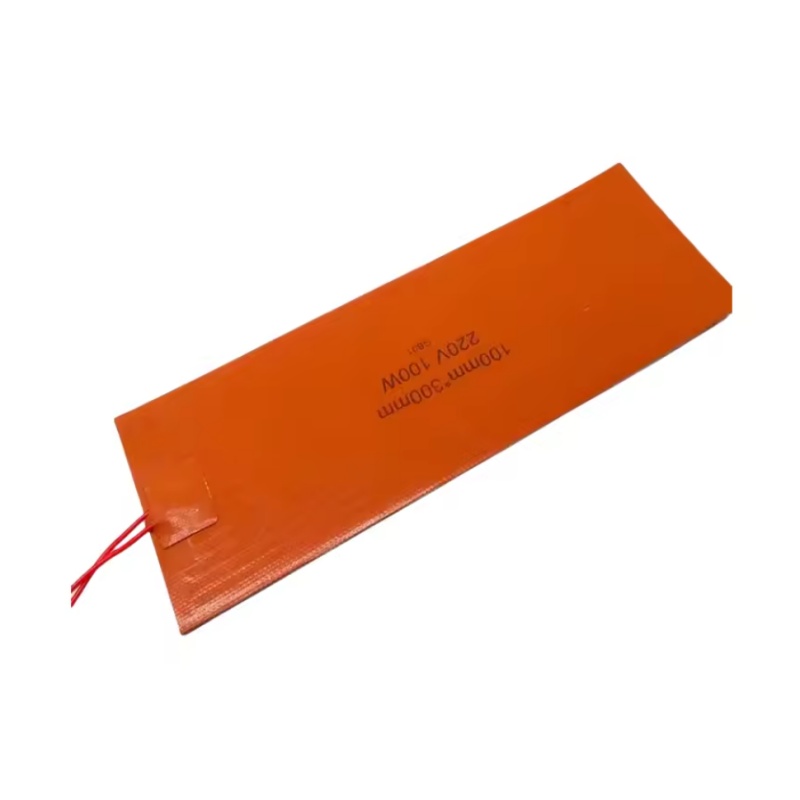
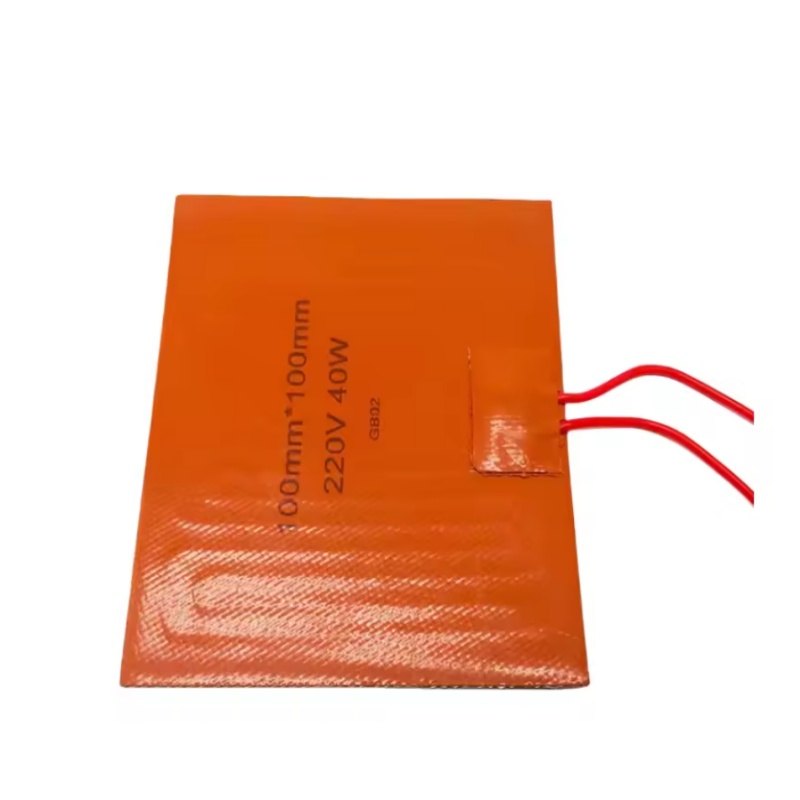
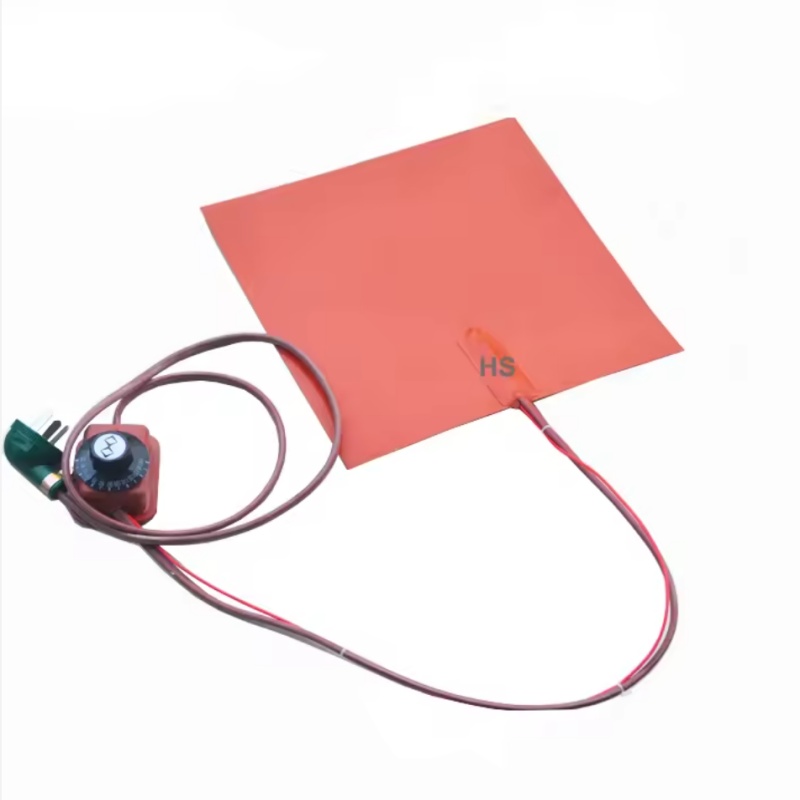
Medical Silicone Rubber Heater is a thin, flexible heating element for medical equipment, laboratory instruments, diagnostic devices and analytical systems that require controlled surface heating and temperature maintenance.
Medical Silicone Rubber Heater Features
- Flexible silicone construction for compact medical and laboratory equipment
- Uniform surface heating with embedded nickel-chromium resistance wire
- Thin profile for space-limited equipment
- Suitable for flat and gently curved surfaces
- Optional 3M pressure-sensitive adhesive backing
- Optional mounting holes for mechanical fixing
- Optional K-type or J-type thermocouple, PT100, NTC sensor or thermal switch
- Custom size, voltage, power, heating area and lead-wire configuration
Technical Specifications
| Parameter | Specification |
|---|---|
| Structure | Flexible silicone rubber with embedded nickel-chromium heating wire |
| Surface Material | High-temperature silicone rubber |
| Insulation Withstand Voltage | 2000–3000 V |
| Working Temperature | -40°C to 200°C; continuous operation recommended at ≤180°C |
| Voltage | 12V, 24V, 48V, 110V, 220V; customizable |
| Watt Density | 0.1–1.0 W/cm²; typical 0.3–0.5 W/cm² |
| Thickness | 1.5–2.0 mm |
| Temperature Sensors | K/J thermocouple, PT100, NTC sensor or thermal switch |
| Installation | 3M adhesive bonding or screw mounting through holes |
| Lead Wire | Lead position and length customizable |
Medical Silicone Heater Applications
Medical Equipment
Flexible silicone heating elements can be integrated into selected medical equipment where controlled and uniform surface heating is required. The thin construction is suitable for compact equipment with limited installation space.
Diagnostic and Analytical Equipment
Medical silicone heaters can provide localized temperature maintenance for selected components, containers and testing areas in diagnostic and analytical equipment.
Laboratory Instruments
The flexible heating element can be used for sample holders, laboratory instruments and other equipment requiring stable surface temperature during operation.
Fluid and Container Heating
Custom silicone heaters can be applied to selected containers, reservoirs and fluid-handling components to maintain the required operating temperature and help reduce condensation.
Custom Medical Silicone Rubber Heater
Medical and laboratory equipment often require heaters designed around specific equipment dimensions and operating conditions. EaseWise supports OEM customization according to drawings, samples or technical specifications.
- Custom length, width and heating area
- Rectangular, round or special shapes
- Cut-outs and openings
- Custom voltage and power
- Custom watt density
- 3M adhesive backing or mounting holes
- K-type or J-type thermocouple
- PT100, NTC sensor or thermal switch
- Custom lead-wire position and length
For a medical or laboratory heating project, please provide the heating size, voltage, power, operating temperature, installation method and temperature-control requirements. EaseWise can recommend a suitable heater configuration for your equipment.
Installation and Operating Considerations
- Maintain close thermal contact between the heater and heated surface.
- Avoid air gaps that may cause localized overheating.
- Use suitable temperature control and over-temperature protection.
- Confirm the heater voltage and power before installation.
- For continuous operation, select an appropriate watt density according to the heated material and operating temperature.
- For medical equipment, the heater configuration and temperature-control method should be matched to the equipment manufacturer’s requirements.
For medical equipment applications, heater selection and temperature control should be evaluated as part of the overall equipment design and applicable regulatory requirements. See the
FDA medical devices resources
for general information about medical device requirements.
Related Heating Products
Explore related heating and temperature-control solutions:
Silicone Rubber Heater
– the main product page for flexible silicone heating elements and custom surface heating solutions.
Automotive Silicone Heater
– flexible heating solutions for EV batteries, automotive components and cold-weather applications.
PI Heater
– ultra-thin flexible heating elements for compact equipment and space-limited applications.
Thermocouple
– temperature sensing solutions for heater monitoring and temperature control.
Medical Silicone Rubber Heater OEM Supplier
EaseWise supplies customized silicone heating elements for medical equipment, laboratory instruments, diagnostic devices and analytical applications. We support custom size, shape, voltage, power, watt density, sensor integration, adhesive backing, mounting holes and lead-wire configuration.
Request a Custom Medical Silicone Rubber Heater
SKU: TZ-SRH-MED
Email:
amy-easewise@tzheater.com
WhatsApp:
+86 18883188154 (Amy)
Customization: Size, shape, voltage, power, watt density, temperature sensor, lead position, adhesive backing and mounting holes.
Contact EaseWise with your heating requirements for a stock or customized medical silicone heater.

评价
目前还没有评价