
Automotive Silicone Heater Supplier for EV Battery and Vehicle Applications
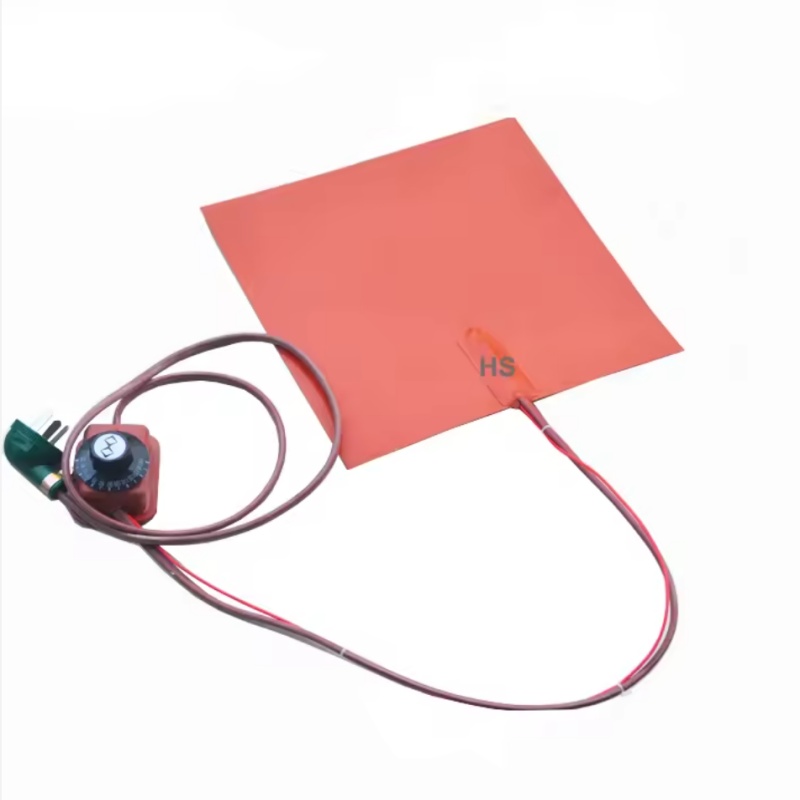
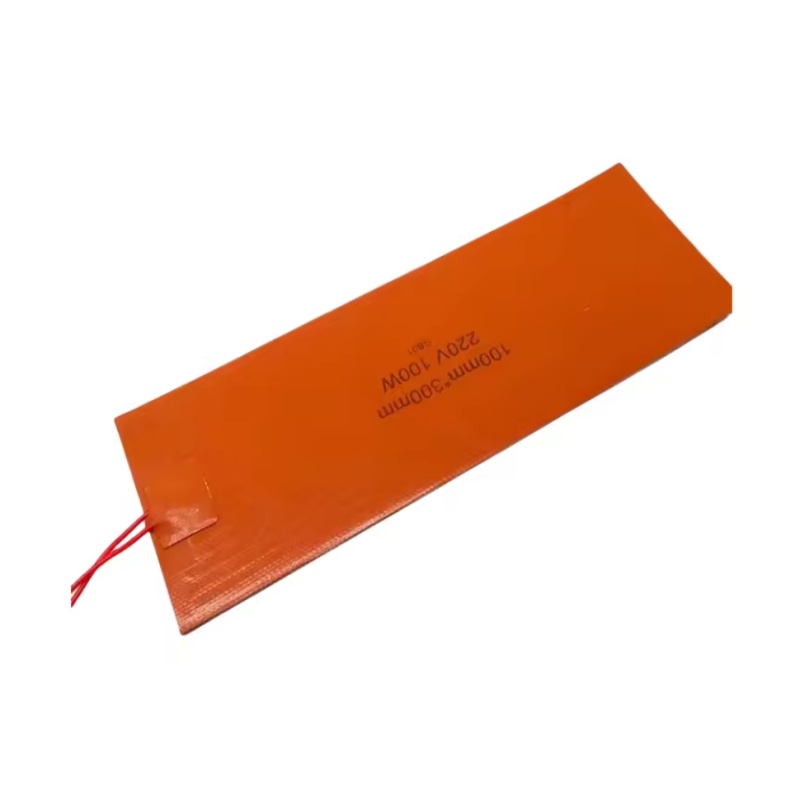
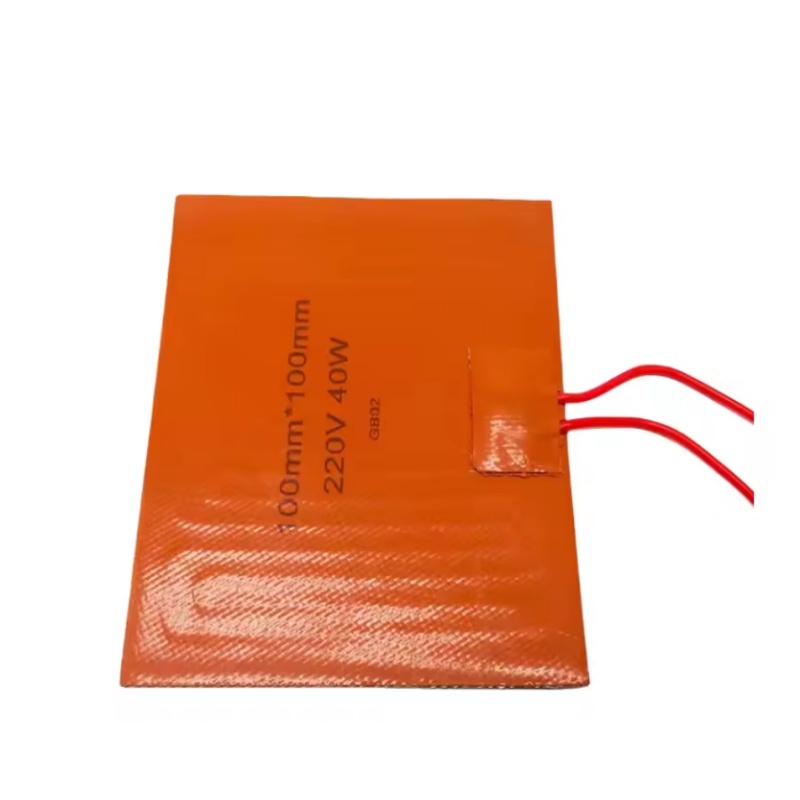
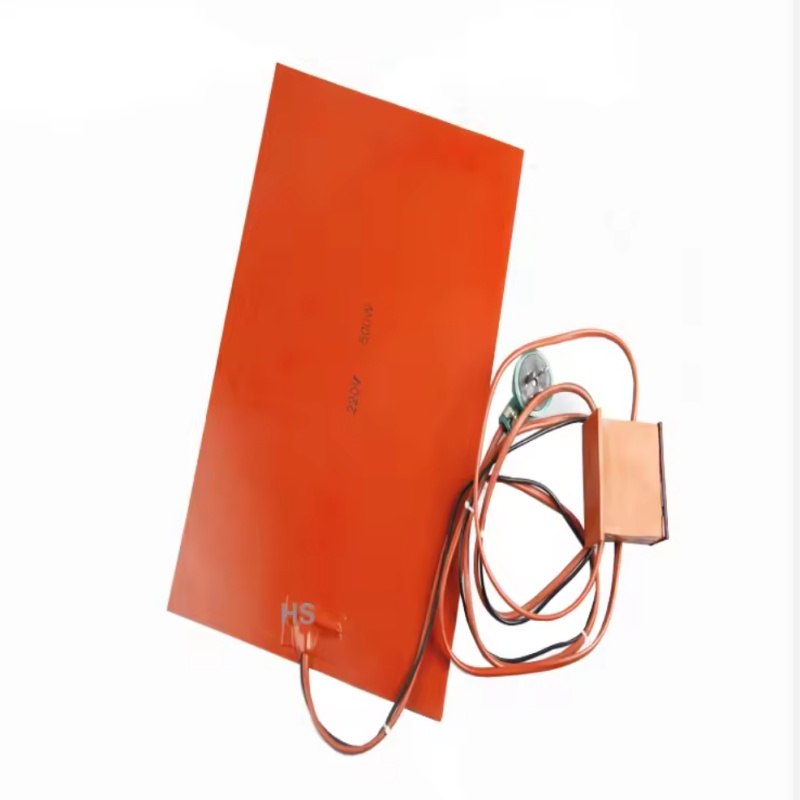
EaseWise supplies custom automotive silicone heaters for EV battery systems, battery enclosures, automotive components, fluid containers, and cold-weather vehicle applications. We coordinate OEM customization and production with vetted partner factories, helping buyers source flexible silicone heating pads based on drawings, samples, and technical requirements.
Custom options may include heater dimensions, voltage, wattage, watt density, temperature sensors, lead wires, and mounting methods. For a quotation, provide your drawing or key specifications, application details, and estimated order quantity.
Why Source Automotive Silicone Heaters from EaseWise?
- OEM customization: Custom dimensions, shapes, power ratings, sensors, lead wires, and mounting features based on project requirements.
- Production coordination: We work with vetted partner factories to coordinate production against the confirmed specifications.
- Specification-based checks: Inspection requirements can be agreed for each project, including key dimensions and electrical parameters.
- Sample and bulk-order support: Discuss sample quantities, estimated lead times, packaging, and repeat-order requirements with our sales team.
- Coordinated communication: EaseWise helps manage technical communication, quotation, and order follow-up.
Looking for a silicone heater manufacturer or OEM supplier? EaseWise can review your requirements and coordinate with suitable production partners to assess feasibility and quotation details.
Request a Custom Automotive Silicone Heater Quote
Automotive Silicone Heater Features
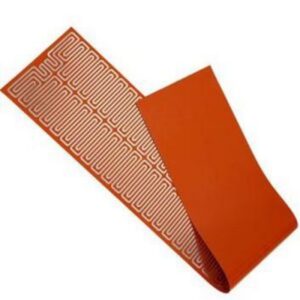
- Flexible silicone rubber construction with embedded nickel-chromium resistance wire, subject to the selected design.
- Low-profile construction for suitable installations with limited space.
- Custom rectangular, round, or other shapes, subject to design review.
- Optional adhesive backing or mounting holes, depending on the application.
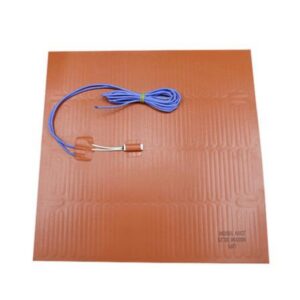
- Optional K-type or J-type thermocouple, PT100, NTC sensor, or thermal switch, subject to configuration.
- Custom lead-wire position and length.
- Application-specific voltage, wattage, heated area, and watt density.
Automotive Silicone Heater Technical Specifications
The following specifications are reference ranges for preliminary evaluation. Availability and suitability depend on the heater design, electrical configuration, installation conditions, and application requirements.
| Parameter | Reference Specification |
|---|---|
| Construction | Silicone rubber with embedded nickel-chromium heating wire |
| Surface Material | High-temperature silicone rubber |
| Operating Temperature | -40°C to 200°C; continuous operation is generally recommended at ≤180°C, subject to design and installation conditions |
| Voltage | 12V, 24V, 48V, 110V, 220V, or customized, subject to availability |
| Watt Density | Reference range: 0.1–1.0 W/cm²; some designs may use 0.3–0.5 W/cm², depending on the application |
| Typical Thickness | Approximately 1.5–2.0 mm, depending on design |
| Temperature Sensing | K-type or J-type thermocouple, PT100, NTC sensor, or thermal switch, subject to configuration |
| Mounting | Adhesive backing or mounting holes, subject to the application |
| Lead Wires | Position, length, and lead specifications can be customized |
| Insulation Withstand Voltage | Reference range: 2000–3000 V; confirm the applicable test method and requirement for the selected design |
These figures are not a guarantee that every combination is available. Confirm final ratings, test requirements, safety limits, and installation conditions before ordering.
Common Silicone Heating Pad Sizes
The following dimensions and power ratings are reference configurations from the available product information. Confirm availability and suitability before ordering. Automotive and EV applications may require a custom design based on the power supply, heated area, target temperature, and control strategy.
Rectangular Heating Pads
| Size | Reference Power |
|---|---|
| 100 × 100 mm | 100 W |
| 150 × 150 mm | 200 W |
| 200 × 200 mm | 300 W |
| 200 × 300 mm | 400 W |
| 200 × 400 mm | 500 W |
| 300 × 300 mm | 600 W |
| 300 × 400 mm | 800 W |
| 300 × 500 mm | 1000 W |
Round Heating Pads
| Diameter | Reference Power |
|---|---|
| Ø100 mm | 80 W |
| Ø150 mm | 150 W |
| Ø200 mm | 250 W |
Automotive and EV Silicone Heater Applications
EV Battery and Battery Enclosure Preheating
Custom silicone heating pads may provide localized heating for selected battery-related surfaces in cold environments. Heater placement, power rating, control strategy, and allowable temperatures must be designed around the battery system manufacturer’s requirements.
Battery Thermal Management Support
A silicone heater may serve as an auxiliary heating element where a battery system requires additional heat during cold-weather operation. The overall system design should address temperature sensing, control, electrical insulation, and independent over-temperature protection where required.
Automotive Fluid Containers and Components
Custom flexible heaters may be suitable for selected fluid containers, pipes, or vehicle components requiring temperature maintenance. Selection should account for fluid properties, container material, contact conditions, heat loss, and the target temperature.
Automotive Electronics and Enclosures
Silicone heaters may be considered for localized temperature maintenance in selected electronic enclosures and vehicle components. For condensation-control applications, assess ambient conditions, moisture exposure, temperature requirements, and the complete enclosure design before selecting a heater.
Cold-Weather Vehicle Equipment
Application-specific heaters may be considered for selected vehicle parts and auxiliary systems requiring localized preheating or temperature maintenance in low ambient temperatures. Confirm the available power supply, installation space, and operating limits before finalizing the design.
OEM Automotive Silicone Heater Customization
EaseWise coordinates custom silicone heater projects using drawings, samples, or technical specifications. Depending on design feasibility, customization may include:
- Length, width, diameter, shape, cutouts, and heating area.
- Rated voltage, wattage, and watt density.
- Adhesive backing or mounting holes.
- K-type or J-type thermocouple, PT100, NTC sensor, or thermal switch.
- Lead-wire position, length, and specified lead type.
- Sample evaluation and batch-order planning.
- Agreed inspection requirements and project documentation, subject to confirmation.
Production feasibility, available materials, testing requirements, and documentation should be confirmed for each project before an order is placed.
How to Request an Automotive Silicone Heater Quote
To help us review your project, provide as many of the following details as possible:
- Drawing or dimensions, preferably in PDF or DXF format if available.
- Required voltage and wattage.
- Target surface temperature and ambient operating temperature.
- Application and installation surface material.
- Sensor, temperature controller, and over-temperature protection requirements.
- Mounting method and lead-wire requirements.
- Sample quantity and estimated batch quantity.
Submit your project details through our Get a Quote page. Our team will review the requirements and follow up on specifications, production feasibility, and quotation details.
Contact EaseWise
For automotive silicone heater sourcing and OEM customization inquiries, contact our sales team:
- Amy – Sales: amy-EaseWise@tzheater.com | WhatsApp: +86 188 8318 8154
- Hanna – Sales: Hanna-EaseWise@tzheater.com | WhatsApp: +86 173 5163 6811
EaseWise supports sourcing and OEM customization through vetted partner factories. Share your drawing, specifications, and order quantity so we can review a suitable solution for your application.
Related Guides and Products
- Flexible Silicone Heaters – explore silicone heater sourcing and customization options.
- Silicone Rubber Heater Applications for Batteries and Electronics – review application considerations for battery systems and electronic equipment.
- Flexible Heater vs. Silicone Rubber Heater – compare flexible heating technologies and their typical uses.
- Silicone Rubber Flexible Heating Pad – view the related product page.
- Get a Quote – submit your project requirements.
Installation and Safety Notes
- Maintain appropriate thermal contact with the heated surface and avoid air gaps that may cause localized overheating.
- Use suitable temperature control and independent over-temperature protection where required by the application.
- Confirm voltage, wattage, temperature limits, insulation requirements, and mounting method before installation.
- Do not expose the heater directly to an open flame.
- For EV battery applications, confirm the heater design and control method against the battery or system manufacturer’s requirements.
For troubleshooting assistance with uneven heating, failure to heat, or insulation concerns, see the Silicone Rubber Heater Troubleshooting Guide.


评价
目前还没有评价